






















The Ultimate Guide to Indian Wedding Gift Etiquette for Guests
Master Indian wedding gift etiquette with our comprehensive guide. Learn appropriate gift amounts, cultural significance, regional customs, and presentation protocols for traditional and modern Indian wedding celebrations as a confident guest.


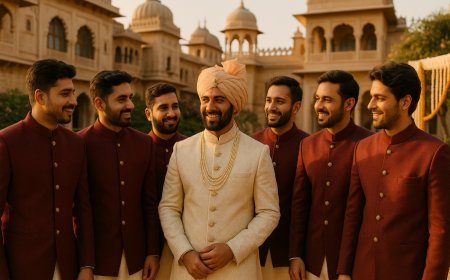
Indian wedding gift-giving represents far more than mere generosity – it embodies ancient traditions of blessing the couple, honoring relationships, and participating in a sacred ritual that binds communities together. From the auspicious significance of odd-numbered monetary gifts to the cultural importance of presenting items that symbolize prosperity, fertility, and happiness, every aspect of gift selection carries deep meaning that reflects your understanding of Indian values and your relationship with the celebrating families.
Modern Indian wedding celebrations have evolved into sophisticated multicultural events where traditional etiquette meets contemporary expectations, creating complex scenarios where guests must navigate regional customs, family preferences, and social dynamics while ensuring their gifts appropriately honor both tradition and modernity. This comprehensive guide demystifies Indian wedding gift etiquette, providing guests with confident knowledge to choose meaningful presents that celebrate the couple while respecting cultural significance and social expectations.
Cultural & Regional Significance
Historical Background
The tradition of Indian wedding gift-giving traces back over 5,000 years to Vedic customs where community members offered "dakshina" – gifts symbolizing their blessings and support for the newly united couple. Ancient texts like the Manusmriti detailed elaborate gift-giving protocols that varied based on social relationships, economic status, and regional customs, establishing frameworks that continue to influence modern practices.
Historical Indian wedding gifts served practical purposes in agrarian societies where couples needed household essentials, livestock, and tools to establish independent homes. Items like brass vessels, grains, textiles, and jewelry weren't merely presents but vital resources enabling couples to begin married life with community support and material security necessary for survival and prosperity.
The Mughal era introduced sophisticated gift aesthetics and luxury items that elevated wedding presents from purely functional to symbols of status, artistry, and cultural refinement. Royal courts established elaborate gift exchange protocols that filtered down through society, creating expectations for beautifully presented, high-quality items that demonstrated both generosity and aesthetic appreciation.
Regional Variations
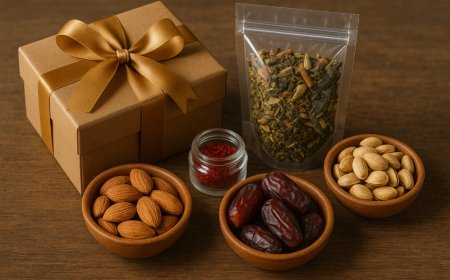
North Indian Traditions: Delhi, Punjab, and Uttar Pradesh weddings emphasize gold jewelry, cash gifts in odd amounts, and household items symbolizing prosperity. Traditional gifts include brass and silver artifacts, dry fruits, sweets, and fabrics. The concept of "shagun" requires monetary gifts in amounts ending with 1 (₹501, ₹1,001, ₹5,001) considered auspicious for new beginnings.
South Indian Customs: Tamil Nadu, Karnataka, and Kerala traditions favor temple-inspired gifts, silk sarees, traditional cooking vessels, and items promoting spiritual well-being. Coconut, betel leaves, and religious artifacts hold special significance. Cash gifts often follow similar odd-number traditions but may vary based on local customs and family preferences.
Bengali Practices: West Bengal weddings emphasize cultural items like books, musical instruments, artistic objects, and traditional sweets. Fish, rice, and items symbolizing knowledge and creativity are particularly valued. The tradition of "bodhu boran" involves specific gift categories for bride welcoming ceremonies with distinct protocols.
Gujarati & Marwari Protocols: Business community traditions emphasize practical gifts, investment items like gold coins, and household essentials. These communities often prefer gifts with long-term value and practical utility. Cash gifts may be substantial, reflecting prosperity and business success within these communities.
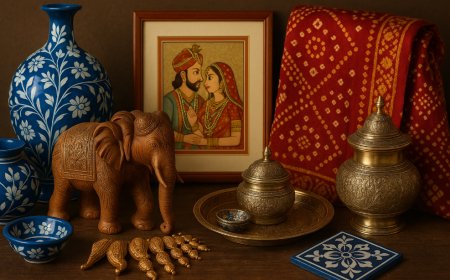
Rajasthani Royal Influence: Heritage of royal gift-giving creates expectations for artistic items, jewelry, decorative pieces, and luxury goods. Traditional items include carved artifacts, textiles, and items reflecting the state's artistic heritage. Presentation and packaging receive significant attention in these traditions.
Modern Adaptations
Contemporary Indian weddings blend traditional expectations with modern lifestyle considerations, creating opportunities for gifts that honor heritage while supporting contemporary living. Urban couples often maintain gift registries incorporating both traditional items and modern household needs, helping guests navigate cultural expectations while providing genuinely useful presents.
Destination weddings and intercultural marriages have created flexible approaches to gift-giving where traditional etiquette adapts to accommodate diverse guest backgrounds and practical shipping considerations. Many modern couples appreciate guests who understand cultural significance while making thoughtful adaptations for contemporary circumstances.
Technology integration now includes digital gift registries, online coordination platforms, and virtual gift-giving options that maintain traditional gesture significance while accommodating modern logistics and global guest participation in Indian wedding celebrations.
Detailed Guide & Recommendations
Gift Categories & Cultural Significance
Traditional Auspicious Items:
Religious & Spiritual Gifts:
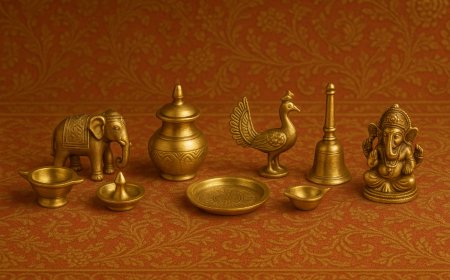
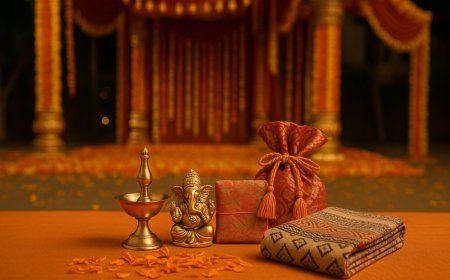
- Temple Artifacts: Brass idols, silver diyas, prayer accessories symbolizing divine blessings and spiritual protection for the couple's journey
- Religious Books: Sacred texts, spiritual literature, devotional materials supporting the couple's spiritual growth and connection
- Worship Essentials: Complete puja sets, incense holders, prayer mats creating sacred spaces in their new home
- Blessing Items: Items blessed by priests or from sacred places carrying spiritual significance and protective energy
Household Prosperity Symbols:
- Brass & Silver Vessels: Traditional storage containers, serving dishes, decorative pieces symbolizing abundance and hospitality
- Kitchen Essentials: Premium cooking utensils, traditional cookware, serving sets supporting their domestic life and entertaining
- Storage Solutions: Decorative boxes, jewelry organizers, elegant storage representing organization and prosperity
- Home Décor: Traditional artwork, cultural artifacts, aesthetic pieces enhancing their living environment
Modern Practical Selections:
Contemporary Home Needs:
- Appliance Sets: Kitchen appliances, electronic devices, household gadgets supporting modern lifestyle convenience
- Linens & Textiles: Premium bedding, table linens, curtains, decorative fabrics enhancing comfort and aesthetic appeal
- Furniture Pieces: Accent furniture, decorative items, functional pieces supporting their home establishment
- Technology Items: Smart home devices, entertainment systems, connectivity solutions for contemporary living
Experience & Service Gifts:
- Travel Vouchers: Honeymoon contributions, travel experiences, adventure packages supporting their journey together
- Service Subscriptions: Household services, meal deliveries, maintenance subscriptions easing transition into married life
- Learning Experiences: Cooking classes, hobby workshops, skill development supporting shared interests and growth
- Spa & Wellness: Couple's treatments, wellness subscriptions, health-focused services promoting their well-being
Gift Amount Guidelines
Relationship-Based Considerations:
Immediate Family Members:
- Parents/Siblings: ₹25,000 - ₹2,00,000+ depending on family economic status and traditions
- Close Relatives: ₹10,000 - ₹50,000 based on relationship closeness and regional customs
- Extended Family: ₹5,000 - ₹25,000 considering social expectations and personal relationships
Friends & Professional Relationships:
- Close Friends: ₹5,000 - ₹25,000 reflecting friendship depth and personal economic capacity
- Work Colleagues: ₹2,000 - ₹10,000 based on professional relationship and office culture
- Social Acquaintances: ₹1,000 - ₹5,000 maintaining social courtesy without overextending
Regional & Community Factors:
- Urban vs Rural: City weddings often expect higher amounts due to lifestyle costs and social pressures
- Community Standards: Business communities, professional groups may have higher expectations based on economic capacity
- Family Status: Established families vs young professionals have different social expectations and financial capabilities
Presentation & Timing Protocols
Gift Presentation Standards:
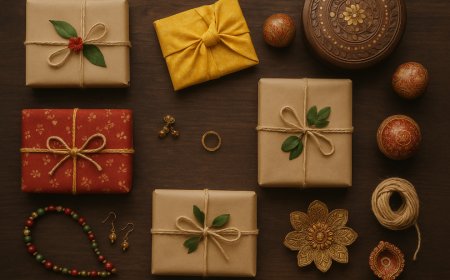
- Packaging Aesthetics: Beautiful wrapping, traditional colors (red, gold, maroon), elegant presentation demonstrating respect and care
- Card Etiquette: Handwritten blessing messages, appropriate language, cultural sensitivity in expression and tone
- Delivery Timing: Specific ceremony timing, appropriate moments for presentation, coordination with event schedules
- Group Coordination: Family gift coordination, avoiding duplication, complementary selections when giving collectively
Cultural Sensitivity Guidelines:
- Religious Considerations: Avoiding items conflicting with family religious practices or dietary restrictions
- Regional Appropriateness: Understanding local customs, seasonal considerations, community-specific expectations
- Age Appropriateness: Considering couple's life stage, career phase, living situation when selecting gifts
- Personalization Balance: Individual touches without overstepping cultural boundaries or family preferences
Regional Gift Customs & Preferences
North Indian Wedding Gifts
Punjab & Delhi Traditions:
- Gold Jewelry: Traditional sets, modern designs, investment pieces symbolizing prosperity and family status
- Cash Envelopes: Odd-numbered amounts (₹501, ₹1,001, ₹5,001, ₹11,001) presented in decorative envelopes with blessing cards
- Household Brass: Traditional vessels, decorative items, functional pieces supporting domestic establishment
- Dry Fruits & Sweets: Premium quality, beautifully packaged, seasonal selections representing sweetness and abundance
Rajasthani Royal Customs:
- Artistic Items: Handicrafts, textiles, jewelry reflecting the state's artistic heritage and royal traditions
- Silver Artifacts: Decorative pieces, functional items, traditional designs showcasing regional craftsmanship
- Textile Gifts: Bandhini fabrics, traditional clothing, decorative textiles representing cultural heritage
- Gemstone Items: Semi-precious stones, decorative objects, traditional jewelry incorporating regional stone work
South Indian Preferences
Tamil Nadu Traditions:
- Silk Sarees: Kanchipuram silk, traditional designs, auspicious colors supporting the bride's wardrobe and cultural identity
- Temple Items: Religious artifacts, brass lamps, spiritual accessories promoting devotional practices
- Traditional Cookware: Bronze vessels, traditional utensils, authentic cooking equipment supporting culinary traditions
- Cultural Books: Literature, spiritual texts, artistic materials supporting intellectual and cultural growth
Karnataka & Kerala Customs:
- Coconut-Based Items: Traditional preparations, decorative objects, items incorporating this culturally significant element
- Spice Collections: Premium quality, traditional varieties, beautifully packaged supporting authentic cooking
- Wooden Artifacts: Traditional crafts, functional pieces, decorative items showcasing regional woodworking traditions
- Ayurvedic Products: Wellness items, traditional preparations, health-supporting gifts reflecting regional healing traditions
Eastern Indian Practices
Bengali Traditions:
- Cultural Items: Books, musical instruments, artistic objects supporting intellectual and creative pursuits
- Fish & Rice Symbolism: Traditional items, decorative representations, symbolic gifts reflecting cultural significance
- Sweet Collections: Premium Bengali sweets, traditional varieties, seasonal specialties representing celebration and joy
- Handwoven Textiles: Traditional sarees, decorative fabrics, artistic textiles showcasing regional weaving traditions
Assamese & Eastern Customs:
- Silk Products: Traditional Assam silk, regional varieties, culturally significant textiles
- Tea Collections: Premium quality, regional varieties, traditional preparations representing local heritage
- Bamboo Crafts: Traditional items, functional pieces, decorative objects showcasing regional craftsmanship
- Traditional Ornaments: Regional jewelry styles, cultural accessories, heritage-inspired pieces
Expert Tips & Best Practices
Pre-Wedding Preparation
Research & Planning:
- Family Background Research: Understanding regional origins, religious practices, cultural preferences of both families involved
- Community Consultation: Speaking with mutual friends, family members familiar with specific expectations and customs
- Registry Coordination: Checking for official gift registries, wish lists, or family guidance on preferred gift categories
- Budget Planning: Setting realistic amounts based on relationship, personal finances, and community standards
Timing Considerations:
- Advance Planning: Starting gift selection 4-6 weeks before events to ensure quality choices and proper presentation
- Multiple Events: Planning for engagement, mehendi, sangam, wedding ceremonies requiring different types of gifts
- Seasonal Factors: Considering wedding timing, weather conditions, seasonal appropriateness of gift selections
- Shipping Logistics: International guests need 6-8 weeks for shipping coordination and customs considerations
Gift Selection Strategy
Avoiding Common Mistakes:
- Duplicate Coordination: Checking with close family members to avoid multiple similar gifts
- Cultural Sensitivity: Avoiding items conflicting with religious practices, dietary restrictions, or cultural taboos
- Quality Standards: Choosing reputable vendors, verified quality, appropriate price points maintaining respect
- Personalization Limits: Balancing individual touches with cultural appropriateness and family preferences
Maximizing Impact:
- Meaningful Selection: Choosing items reflecting relationship depth, cultural understanding, genuine care for the couple
- Presentation Excellence: Investing in beautiful packaging, handwritten cards, thoughtful presentation enhancing gift value
- Practical Consideration: Balancing traditional significance with practical utility supporting their modern lifestyle
- Long-term Value: Selecting items with lasting significance, utility, or sentimental value beyond the wedding event
Social Navigation
Family Dynamics:
- Hierarchy Respect: Understanding family structures, elder preferences, social dynamics affecting gift appropriateness
- Community Standards: Navigating business community expectations, professional group norms, social circle standards
- Regional Adaptation: Adjusting selections based on ceremony location, local customs, community expectations
- Economic Sensitivity: Balancing generosity with personal financial capacity without social pressure compromise
Modern Adaptations:
- Digital Integration: Using online platforms, digital registries, virtual coordination while maintaining personal touch
- International Considerations: Adapting traditional expectations for global guests, destination weddings, multicultural celebrations
- Contemporary Relevance: Honoring traditions while supporting modern lifestyle needs and contemporary relationship dynamics
- Sustainable Choices: Considering environmental impact, ethical sourcing, sustainable options aligning with modern values
Gift Etiquette Comparison Table
| Relationship | Cash Gift Range | Traditional Items | Modern Alternatives | Presentation Timing | Regional Considerations |
| Immediate Family | ₹25,000-₹2,00,000+ | Gold jewelry, silver artifacts | Home appliances, furniture | Main ceremony/reception | Higher expectations in urban areas |
| Close Relatives | ₹10,000-₹50,000 | Brass vessels, silk textiles | Kitchen sets, electronics | Wedding ceremony | Business communities expect more |
| Close Friends | ₹5,000-₹25,000 | Religious items, decorative pieces | Experience vouchers, gadgets | Reception preferred | Age and lifestyle considerations |
| Work Colleagues | ₹2,000-₹10,000 | Small brass items, sweets | Gift cards, small appliances | Office collection or reception | Professional relationship depth |
| Social Acquaintances | ₹1,000-₹5,000 | Decorative items, dry fruits | Books, plants, small gifts | Reception only | Maintain courtesy without excess |
| International Guests | ₹3,000-₹15,000 | Cultural artifacts, handicrafts | Universal home items | Reception with guidance | Cultural sensitivity appreciated |
| Business Associates | ₹5,000-₹25,000 | Premium items, art pieces | High-end accessories | Formal presentation | Professional image consideration |
| Distant Relatives | ₹2,000-₹15,000 | Traditional sweets, textiles | Household essentials | Any appropriate time | Family dynamics influence amount |
Customer Reviews & Testimonials
Priya Sharma (Delhi wedding guest): "I was anxious about gift etiquette for my colleague's big fat Indian wedding, but following traditional guidelines while choosing modern appliances worked perfectly. The family appreciated my cultural sensitivity in presenting cash in an odd amount (₹11,001) along with a beautiful brass serving set. Three years later, they still mention how thoughtful the combination was."
David Johnson (International guest, Mumbai wedding): "As an American attending my Indian friend's wedding, I was completely overwhelmed by the etiquette expectations. After consulting with mutual friends, I chose a beautiful silver artifact from a recommended Delhi vendor and learned about proper presentation timing. The family was so touched by my effort to honor their traditions appropriately."
Kavya Patel (Gujarati family friend): "For our family friend's daughter's wedding, we wanted something special that honored our 20-year relationship. We chose gold coins along with a traditional gift set, presenting them during the appropriate ceremony timing. Understanding regional Gujarati preferences helped us select items that truly resonated with their family values."
Rohit Singh (Close friend, Punjabi wedding): "Navigating gift expectations for my best friend's wedding was tricky since I'm between jobs but wanted to honor our friendship meaningfully. I chose quality over quantity with a beautiful brass item and appropriate cash amount (₹5,001), focusing on heartfelt presentation. My friend later said it was one of his most treasured gifts."
Frequently Asked Questions (FAQs)
Q1: What are the essential do's and don'ts of cash gifts at Indian weddings?
A: Always give cash in odd amounts ending with 1 (₹501, ₹1,001, ₹5,001, ₹11,001) as even amounts are considered inauspicious. Present cash in decorative envelopes with handwritten blessing cards. Never give amounts ending in 0 or even numbers. Presentation timing matters – give during appropriate ceremonies, not casually. Include new, crisp currency notes. Avoid discussing amounts publicly and let relationship closeness guide the sum.
Q2: How should international guests navigate Indian wedding gift etiquette when unfamiliar with traditions?
A: Research regional customs specific to the families involved. Consult with mutual Indian friends for guidance on appropriate selections and amounts. Focus on universal items like silver artifacts, decorative pieces, or premium home goods. Include heartfelt cards explaining your gift choice. When uncertain, err toward traditional items like brass vessels or religious artifacts. Presentation matters more than perfection – sincere effort to honor traditions is always appreciated.
Q3: What gift amounts are appropriate based on different relationship levels and regional expectations?
A: Immediate family: ₹25,000-₹2,00,000+; Close relatives: ₹10,000-₹50,000; Close friends: ₹5,000-₹25,000; Colleagues: ₹2,000-₹10,000; Acquaintances: ₹1,000-₹5,000. Urban weddings typically expect higher amounts than rural celebrations. Business communities may have elevated expectations. Always give odd amounts. Consider your financial capacity and relationship depth rather than feeling pressured by social expectations.
Q4: How do guests handle multiple wedding events (engagement, mehendi, sangam, wedding) regarding gift-giving?
A: The main gift typically goes to the wedding ceremony or reception. Smaller token gifts are appropriate for pre-wedding events like mehendi or sangam – flowers, sweets, small decorative items. Engagement parties may warrant moderate gifts if attending as close friends/family. Avoid feeling obligated to give substantial gifts at every event. Focus major gift-giving on the main wedding ceremony while participating meaningfully in other celebrations.
Q5: What items should be avoided when selecting Indian wedding gifts due to cultural sensitivity?
A: Avoid leather products (religiously sensitive), alcohol (unless certain of family preferences), sharp objects like knives (considered inauspicious), even-numbered cash amounts, items in black or white packaging (mourning colors), overly personal items, anything potentially conflicting with dietary restrictions (non-vegetarian items for vegetarian families), and extremely expensive gifts that might embarrass other guests or create social pressure.
Q6: How should guests coordinate gifts when attending as families or groups to avoid duplication?
A: Designate one family member to coordinate with close relatives about gift selections. Consider pooling resources for substantial joint gifts like appliance sets or jewelry. Communicate with other close friends about gift categories to ensure variety. Some families create informal coordination groups through WhatsApp or family networks. When uncertain, choose universally useful items like cash, silver artifacts, or premium household items that are always welcome even if duplicated.
Q7: What are the proper presentation protocols and timing for gift-giving during Indian wedding ceremonies?
A: Present gifts during appropriate reception timing, not during sacred ceremonies. Approach the couple or designated family members during designated gift-receiving periods. Use both hands when presenting gifts as a sign of respect. Include blessing cards with appropriate language. Dress appropriately for the occasion. Avoid disrupting ceremony proceedings for gift presentation. Some families designate specific areas or timing for gift presentation – follow their guidance.
Q8: How do modern couples' gift registries work with traditional Indian wedding gift expectations?
A: Many modern couples maintain both traditional elements and contemporary registries. Traditional cash gifts and cultural items remain expected alongside registry selections. Consider choosing one item from their registry plus traditional cash or cultural gifts. Registries help avoid duplication while traditional elements honor cultural expectations. Some couples specify preferences for charity donations, experiential gifts, or specific cultural items alongside modern household needs.
Q9: What considerations apply to destination Indian weddings regarding gift selection and transportation?
A: Choose portable, valuable gifts rather than bulky items for destination weddings. Cash gifts become more practical for international destinations. Consider shipping gifts directly to the couple's home address rather than carrying them to destination venues. Coordinate with other guests for group gifts that can be arranged locally. Some couples prefer monetary contributions toward honeymoon expenses for destination weddings. Check shipping restrictions and customs regulations for international destinations.
Q10: How should guests handle gift-giving when attending Indian weddings with limited personal financial resources?
A: Authentic care and cultural respect matter more than expensive gifts. Choose meaningful amounts within your capacity (₹501, ₹1,001 are perfectly appropriate for many relationships). Consider handmade items, thoughtful cultural selections, or items with personal significance rather than expensive purchases. Focus on beautiful presentation and heartfelt cards. Many families appreciate genuine effort and cultural sensitivity over expensive gifts. Never compromise your financial stability for social expectations.
Conclusion
Mastering Indian wedding gift etiquette represents a beautiful journey of cultural understanding that transforms ordinary presents into meaningful expressions of blessing, respect, and celebration. When guests thoughtfully navigate traditional expectations while honoring their personal relationships with celebrating couples, they participate in ancient rituals that bind communities together and support new beginnings with genuine care and cultural appreciation.
The complexity of Indian wedding gift etiquette reflects the richness of traditions that have evolved over millennia, creating opportunities for guests to demonstrate cultural sensitivity, personal thoughtfulness, and genuine care for couples embarking on married life. Understanding these customs allows guests to participate meaningfully in celebrations while feeling confident that their gifts appropriately honor both tradition and contemporary expectations.
Visit WeddingGifts.com.in to explore our comprehensive collection of culturally appropriate wedding gifts and discover expert guidance for navigating Indian wedding traditions with confidence, ensuring your presents honor both heritage and the celebrating couple's modern lifestyle.
What's Your Reaction?
 Like
0
Like
0
 Dislike
0
Dislike
0
 Love
0
Love
0
 Funny
0
Funny
0
 Angry
0
Angry
0
 Sad
0
Sad
0
 Wow
0
Wow
0


