






















Traditional Dupatta Collection: State-wise Gifting Guide for Bridesmaids
Complete guide to traditional dupatta collections with authentic state-wise designs for bridesmaids. Delhi vendor recommendations, regional textile insights, cultural significance, and meaningful gift ideas celebrating heritage.


Traditional dupattas have emerged as the quintessential bridesmaid gift for modern Indian weddings, offering the perfect fusion of cultural authenticity, practical versatility, and personal meaning. These graceful textile treasures serve multiple purposes: they enhance any outfit with traditional elegance, provide practical coverage and comfort, and create lasting connections to India's rich weaving and embroidery traditions. From the gossamer-light Chanderi silks of Madhya Pradesh to the bold mirror work of Gujarat, each state's distinctive dupatta style offers unique aesthetic and cultural significance.
The tradition of dupatta wearing in Indian culture spans over 2,000 years, with ancient sculptures and texts depicting women adorned in flowing head coverings that served both practical and symbolic purposes. Different regions developed distinctive styles based on local materials, climate conditions, and cultural influences, creating the rich tapestry of dupatta traditions we celebrate today. When modern brides choose state-specific dupattas for their bridesmaids, they're connecting their celebration to this ancient heritage while supporting traditional artisan communities.
The beauty of state-wise dupatta gifting lies in its ability to honor regional diversity while creating cohesive wedding aesthetics. Whether you choose dupattas representing your family's home states, create a pan-Indian collection showcasing different regional styles, or select pieces that complement your wedding's cultural theme, these versatile accessories ensure your bridesmaids feel both individually special and collectively connected to India's magnificent textile heritage.
Modern bridesmaid styling has embraced the dupatta's versatility, with contemporary fashion integrating traditional pieces into fusion outfits, western wear, and everyday styling. This evolution ensures that dupatta gifts provide ongoing utility beyond wedding celebrations, making them practical investments that bridesmaids will cherish and use for years to come while carrying forward cultural traditions in their daily lives.
In this comprehensive guide, you'll discover everything you need to know about selecting, sourcing, and presenting traditional dupattas that beautifully represent India's diverse state-wise textile traditions while creating meaningful, wearable gifts your bridesmaids will treasure throughout their lives. From understanding the cultural significance of different regional styles to finding authentic artisans in Delhi who specialize in traditional techniques, we'll help you choose bridesmaid gifts that celebrate both cultural heritage and personal relationships.
Cultural & Regional Significance
Historical Background
The tradition of dupatta wearing in Indian subcontinent civilization traces back to the Indus Valley period, with archaeological evidence showing draped garments and head coverings in ancient sculptures and seals. The Sanskrit term "uttariya," from which dupatta derives, appears in ancient texts including the Ramayana and Mahabharata, where it describes the graceful head coverings worn by queens and princesses. These early references established the dupatta's cultural significance as a symbol of feminine grace, modesty, and social status.
During the Vedic period, textile production became increasingly sophisticated, with different regions developing distinctive weaving techniques based on local materials and cultural influences. The Rig Veda mentions various types of cloths and weaving techniques, while later texts describe elaborate textiles used for ceremonial purposes. This period established the foundation for regional textile traditions that would evolve into the distinctive dupatta styles we recognize today.
The medieval period saw remarkable development in textile arts as various Indian kingdoms patronized local weaving communities and established trade connections that introduced new materials and techniques. The Chola dynasty in South India, the Rajput kingdoms of North India, and various other regional powers each contributed to the evolution of distinctive textile traditions. This period saw the development of many signature regional techniques including intricate embroidery styles, unique weaving patterns, and innovative dyeing methods.
The Mughal empire brought Persian and Central Asian influences that profoundly enriched Indian textile traditions, creating the fusion styles that characterize many contemporary dupatta designs. Royal workshops employed master weavers and embroiderers who created elaborate textiles featuring complex patterns, precious metal threads, and sophisticated color palettes. The Mughal period established aesthetic standards and technical innovations that continue to influence traditional dupatta production today.
The British colonial period initially disrupted traditional textile production as industrial manufacturing threatened handloom communities. However, the independence movement led by Mahatma Gandhi brought renewed focus to traditional textiles as symbols of cultural identity and economic self-reliance. This period preserved traditional techniques while encouraging innovation and adaptation to changing market demands, laying the foundation for contemporary appreciation of regional dupatta traditions.
Regional Variations
North India: Punjab leads with vibrant Phulkari dupattas featuring geometric embroidery in silk threads on cotton or silk bases, traditionally created by women for special occasions and festivals. Kashmir contributes ethereal Pashmina and Cashmere dupattas with delicate embroidery and natural fiber luxury. Uttar Pradesh offers the world-renowned Chikankari work from Lucknow, featuring intricate white embroidery on fine cotton and silk. Rajasthan provides mirror work dupattas, tie-dye Bandhani patterns, and block-printed designs that reflect the desert state's vibrant cultural heritage.
South India: Tamil Nadu showcases silk dupattas from Kanchipuram with gold zari work and temple-inspired motifs, along with lighter cotton varieties featuring traditional South Indian patterns. Karnataka contributes Mysore silk dupattas with subtle elegance and Ilkal dupattas with distinctive border designs. Kerala offers cotton dupattas with traditional motifs and contemporary adaptations of classical designs. Andhra Pradesh and Telangana provide Kalamkari printed dupattas with mythological narratives and natural dye techniques, plus Pochampally ikat dupattas with geometric patterns.
West India: Gujarat excels in Bandhani tie-dye dupattas, mirror work embellishments, and Kutchi embroidery that creates spectacular visual effects. Maharashtra offers Paithani silk dupattas with peacock and lotus motifs, often featuring metallic threads and rich color combinations. Rajasthani influence extends throughout the region, contributing block printing, desert-inspired colors, and traditional motifs that reflect the area's royal heritage and merchant traditions.
East India: West Bengal provides handwoven cotton dupattas with traditional Bengali motifs, Kantha embroidery work, and contemporary interpretations of classical designs. The region's artistic heritage influences dupatta designs through subtle color palettes and sophisticated pattern work. Assam contributes silk dupattas made from indigenous Muga and Eri silk, often featuring traditional Assamese motifs and natural dyeing techniques.
Central India: Madhya Pradesh offers Chanderi and Maheshwari dupattas, prized for their lightweight elegance and subtle metallic threads that create lustrous effects. Chhattisgarh contributes Kosa silk dupattas and tribal-inspired designs that reflect the region's rich forest heritage and indigenous artistic traditions.
Contemporary Pan-Indian Fusion: Modern designers increasingly create dupattas that combine elements from multiple regional traditions, resulting in unique pieces that celebrate India's diverse heritage while appealing to contemporary aesthetic preferences. These fusion approaches often incorporate traditional techniques with modern color palettes and styling.
Modern Adaptations
Contemporary dupatta styling has evolved dramatically to accommodate modern fashion preferences while preserving traditional cultural significance. Fashion influencers and designers have popularized creative draping techniques that integrate traditional dupattas with western outfits, creating fusion looks that appeal to younger generations while honoring cultural heritage. These styling innovations ensure dupatta gifts remain relevant and useful for bridesmaids with diverse fashion preferences.
Technology integration has enhanced traditional production methods, enabling more precise pattern creation, improved color consistency, and efficient production scaling while maintaining handcraft authenticity. Many contemporary dupatta makers use computer-aided design for pattern development while preserving traditional hand-weaving and embroidery techniques that define authentic regional work.
Sustainable adaptations emphasize organic materials, natural dyes, and traditional production methods that appeal to environmentally conscious consumers. Many modern dupatta producers partner with fair trade organizations and sustainable development initiatives, creating products that support traditional communities while meeting contemporary environmental standards.
Contemporary packaging and presentation have transformed dupatta gifting into complete cultural experiences. Many vendors now provide elegantly designed storage solutions, care instruction guides, and educational materials about regional traditions, creating gifts that enhance cultural appreciation while ensuring proper maintenance and long-term enjoyment.
Detailed Guide & Recommendations
Types & Varieties
Fabric Categories:
- Pure Silk Varieties: Banarasi, Kanchipuram, Mysore, Bhagalpur, Tussar silk options
- Cotton Collections: Chikankari, Chanderi cotton, Bengali handloom, Khadi varieties
- Blended Textiles: Cotton-silk combinations, contemporary blends, lightweight options
- Luxury Materials: Pashmina, Cashmere, Baluchari silk, museum-quality pieces
Regional Embroidery Styles:
- North Indian Techniques: Phulkari, Chikankari, Kashmiri embroidery, Rajasthani mirror work
- South Indian Specialties: Zari work, temple art motifs, traditional weaving patterns
- Eastern Traditions: Kantha embroidery, Bengali handwork, Assamese silk techniques
- Western Innovations: Bandhani tie-dye, Gujarati mirror work, Maharashtra silk weaving
Seasonal Collections:
- Wedding Season Luxury: Heavy silks, zari work, festival-appropriate designs
- Summer Lightweight: Cotton, linen blends, breathable materials with elegant details
- Monsoon Practical: Quick-dry materials, color-fast dyes, weather-resistant options
- Winter Warmth: Wool blends, Pashmina varieties, heavier materials with rich textures
Color Palette Classifications:
- Traditional Jewel Tones: Rich reds, royal blues, emerald greens, golden yellows
- Pastel Contemporary: Soft pinks, lavender, mint green, champagne shades
- Neutral Elegance: Ivory, cream, beige, soft gray, contemporary neutrals
- Bold Statement: Vibrant oranges, fuchsia, turquoise, contemporary bright colors
Size and Drape Options:
- Standard Length: 2.5-3 meters for traditional draping and versatile styling
- Extra Long: 3.5-4 meters for elaborate draping and formal occasions
- Compact Modern: 2-2.5 meters for contemporary styling and daily wear
- Oversized Luxury: 4+ meters for dramatic styling and special occasions
Quality Indicators: Premium traditional dupattas feature consistent weaving quality, authentic regional techniques, and appropriate material choices for specific styles. Check for proper finishing, secure embellishment attachment, and color fastness. Authentic pieces show traditional motif accuracy, appropriate proportions, and regional technique characteristics that distinguish handcraft from machine production.
Price Ranges:
- Budget Traditional: ₹800-2500 per piece (cotton varieties, basic embroidery, standard designs)
- Mid-Range Authentic: ₹2500-6000 per piece (silk blends, detailed work, regional authenticity)
- Premium Handcrafted: ₹6000-15000 per piece (pure silk, master artisan work, luxury materials)
- Ultra-Luxury Collections: ₹15000+ per piece (museum quality, rare techniques, precious materials)
Selection Criteria
Bridesmaid Lifestyle Assessment: Analyze each bridesmaid's fashion preferences, lifestyle needs, and cultural comfort levels to select appropriate dupatta styles. Some may prefer subtle, sophisticated pieces suitable for professional environments, while others appreciate bold traditional designs. Consider their typical outfit choices, cultural backgrounds, and comfort with traditional styling when selecting specific regional styles and color palettes.
Wedding Theme Integration: Coordinate dupatta selections with your overall wedding aesthetic and cultural theme. Traditional ceremonies benefit from authentic regional styles with classical color palettes, while contemporary celebrations might suit modern interpretations or fusion designs. Consider how dupattas will photograph with different outfit combinations throughout various wedding events and celebrations.
Regional Significance Consideration: Choose dupatta styles that carry appropriate cultural meanings and regional significance for your celebration. Consider representing family heritage states, creating diverse collections that celebrate India's textile diversity, or selecting styles that hold special meaning for your relationship with individual bridesmaids. Ensure selections honor traditional contexts while providing practical utility.
Seasonal Appropriateness: Align fabric choices and color palettes with wedding season and climate conditions. Heavy silk dupattas suit winter celebrations while lightweight cotton works better for summer weddings. Monsoon seasons favor quick-dry materials and colorfast dyes. Consider storage and transportation requirements for destination weddings or multi-location celebrations.
Styling Versatility Evaluation: Select dupattas that offer multiple styling options and long-term usability beyond wedding celebrations. Choose pieces that complement both traditional and contemporary outfits, ensuring bridesmaids can incorporate them into various wardrobe choices. Consider including styling guides or tutorials that demonstrate different draping techniques and outfit combinations.
Presentation & Packaging Ideas
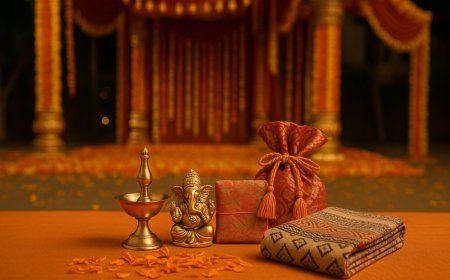
Regional Cultural Presentation: Create presentation setups that reflect the cultural heritage of selected dupatta styles. Rajasthani pieces might be displayed with traditional brass elements and desert colors, while South Indian silks could be presented with banana leaves and temple-inspired decorations. These thematic presentations enhance cultural authenticity and create memorable unboxing experiences.
Educational Cultural Integration: Include detailed information about regional traditions, weaving techniques, and cultural significance of each dupatta style. Provide historical context, traditional wearing methods, and contemporary styling suggestions that help bridesmaids appreciate and utilize their gifts effectively. Add stories about artisan communities and regional heritage to enhance personal connection.
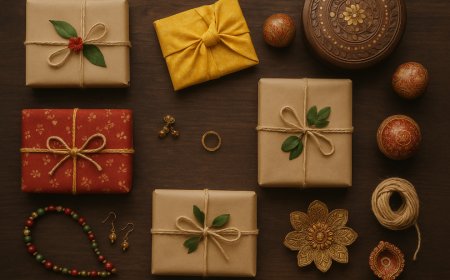
Modern Elegant Display: Contemporary presentation uses sophisticated packaging that protects delicate fabrics while creating luxurious gift experiences. Consider acid-free tissue paper, elegant boxes with regional motifs, and coordinated presentation materials that honor both traditional artistry and modern aesthetic preferences.
Interactive Styling Sessions: Organize presentation events where bridesmaids can learn traditional draping techniques, try different styling approaches, or meet artisans who created their dupattas. These interactive experiences create deeper appreciation for textile traditions while ensuring bridesmaids feel confident about using their gifts in various contexts.
Seasonal Thematic Coordination: Adapt presentation styles to wedding season and venue characteristics. Spring celebrations benefit from floral elements and pastel presentations, while winter weddings suit rich fabrics and warm lighting that enhances textile beauty and cultural significance.
Top Delhi Vendors & Suppliers
Premium Category Vendors
1. Heritage Textile Gallery - Master Weaver Collection
- Location: 34, Hauz Khas Village, New Delhi 110016
- USP: Museum-quality regional dupattas, master artisan partnerships, cultural authenticity
- Specialization: State-specific traditions, luxury materials, educational collections
- Rating: 4.9/5 stars based on customer reviews
- Contact Details:
- Phone: +91-11-46574000
- WhatsApp: +91-9810123456
- Email: heritage@textilegallery.in
- Website: www.heritagetextilegallery.com
- Social Media:
- Instagram: @heritage_textile_gallery
- Facebook: Heritage Textile Gallery Delhi
- Operating Hours: Monday-Saturday, 10:00 AM - 7:30 PM
- Price Range: ₹4000 - ₹25000 per piece
- Minimum Order: 5 pieces for custom collections
2. Regional Silk House - Authentic State Collections
- Location: 67, Khan Market, New Delhi 110003
- USP: Direct artisan sourcing, state-wise specialization, cultural education
- Specialization: Regional authenticity, traditional techniques, diverse state collections
- Rating: 4.8/5 stars based on customer reviews
- Contact Details:
- Phone: +91-11-24691234
- WhatsApp: +91-9876543210
- Email: collections@regionalsilk.co.in
- Website: www.regionalsilkhouse.com
- Social Media:
- Instagram: @regional_silk_house
- Facebook: Regional Silk House Delhi
- Operating Hours: Monday-Sunday, 9:30 AM - 8:00 PM
- Price Range: ₹2500 - ₹12000 per piece
- Delivery: Free delivery above ₹25000 within Delhi NCR
Mid-Range Category Vendors
3. Delhi Dupatta Emporium - Traditional Specialists
- Location: 45, Karol Bagh Market, New Delhi 110005
- USP: Wide regional variety, competitive pricing, established reputation
- Specialization: Popular regional styles, moderate customization, bulk orders
- Rating: 4.5/5 stars based on customer reviews
- Contact Details:
- Phone: +91-11-25823456
- WhatsApp: +91-9988776655
- Email: emporium@delhidupatta.com
- Operating Hours: Monday-Sunday, 9:00 AM - 9:00 PM
- Price Range: ₹1500 - ₹6000 per piece
- Minimum Order: 8 pieces for bulk rates
4. Artisan Textile Collection - Handcrafted Varieties
- Location: 78, Lajpat Nagar Central Market, New Delhi 110024
- USP: Handloom focus, artisan support, quality assurance
- Specialization: Handwoven varieties, traditional techniques, moderate pricing
- Rating: 4.4/5 stars based on customer reviews
- Contact Details:
- Phone: +91-11-29843567
- WhatsApp: +91-9123456789
- Email: artisan.textile@yahoo.com
- Operating Hours: Monday-Sunday, 10:00 AM - 8:00 PM
- Price Range: ₹1000 - ₹4500 per piece
- Delivery: Available within 12km radius
Budget-Friendly Options
5. Chandni Chowk Dupatta Bazaar - Wholesale Specialists
- Location: 89, Chandni Chowk Main Market, Delhi 110006
- USP: Wholesale pricing, large inventory, traditional market experience
- Specialization: Basic regional styles, standard quality, bulk quantities
- Rating: 4.2/5 stars based on customer reviews
- Contact Details:
- Phone: +91-11-23968741
- WhatsApp: +91-8765432109
- Email: dupattabazaar.cc@rediffmail.com
- Operating Hours: Monday-Saturday, 9:00 AM - 7:00 PM
- Price Range: ₹600 - ₹2500 per piece
- Minimum Order: 12 pieces for wholesale rates
6. Budget Textile Mart - Economic Collections
- Location: 56, Sadar Bazaar, Delhi 110006
- USP: Lowest prices, basic quality, mass market varieties
- Specialization: Simple regional designs, standard materials, large orders
- Rating: 4.0/5 stars based on customer reviews
- Contact Details:
- Phone: +91-11-23456789
- WhatsApp: +91-9876501234
- Email: budgettextile@gmail.com
- Operating Hours: Monday-Sunday, 8:00 AM - 8:00 PM
- Price Range: ₹400 - ₹1800 per piece
- Delivery: Self-pickup preferred
Online/Hybrid Vendors
7. Dupatta.in - Digital Textile Marketplace
- Location: Online platform with Delhi fulfillment center
- USP: Extensive catalog, detailed photography, doorstep delivery
- Specialization: State-wise collections, virtual try-on, tech integration
- Rating: 4.6/5 stars based on customer reviews
- Contact Details:
- Phone: +91-11-45567890
- WhatsApp: +91-9876543210
- Email: care@dupatta.in
- Website: www.dupatta.in
- Social Media:
- Instagram: @dupatta_india
- Facebook: Dupatta India
- Operating Hours: 24/7 online ordering, customer service 9:00 AM - 7:00 PM
- Price Range: ₹800 - ₹8000 per piece
- Online Ordering Process: State-wise browsing, fabric selection, customization, delivery
8. Traditional Weavers Network - Artisan Platform
- Location: Online platform connecting multiple weaving communities
- USP: Direct artisan access, authenticity guarantee, social impact
- Specialization: Traditional techniques, fair trade, cultural preservation
- Rating: 4.7/5 stars based on customer reviews
- Contact Details:
- Phone: +91-80-41234567
- WhatsApp: +91-9988776655
- Email: hello@traditionalweavers.in
- Website: www.traditionalweavers.in
- Operating Hours: 24/7 online, phone support 10:00 AM - 6:00 PM
- Price Range: ₹1200 - ₹6000 per piece
- Delivery: Pan-India shipping, eco-friendly packaging
Comparison Table
| Vendor | Location | Price Range | Rating | Specialization | Delivery |
| Heritage Textile Gallery | Hauz Khas | ₹4000-25000 | 4.9/5 | Master Weaver | Yes |
| Regional Silk House | Khan Market | ₹2500-12000 | 4.8/5 | State Collections | Yes |
| Delhi Dupatta Emporium | Karol Bagh | ₹1500-6000 | 4.5/5 | Traditional Specialists | Limited |
| Artisan Textile Collection | Lajpat Nagar | ₹1000-4500 | 4.4/5 | Handcrafted Varieties | Yes |
| Chandni Chowk Bazaar | Chandni Chowk | ₹600-2500 | 4.2/5 | Wholesale Bulk | No |
| Budget Textile Mart | Sadar Bazaar | ₹400-1800 | 4.0/5 | Economic Collections | No |
| Dupatta.in | Online Platform | ₹800-8000 | 4.6/5 | Digital Marketplace | Yes |
| Traditional Weavers | Online Platform | ₹1200-6000 | 4.7/5 | Artisan Network | Yes |
Expert Tips & Best Practices
Planning Timeline
4-6 Months Before Wedding: Begin researching regional dupatta traditions and connecting with specialized vendors or artisans. Authentic handwoven pieces and custom collections require significant lead times, especially during peak wedding season. This timeline allows for cultural research, quality comparisons, sample examinations, and customization consultations to achieve desired regional authenticity and aesthetic coordination.
10-12 Weeks Before: Finalize vendor selection and place confirmed orders with appropriate advance payments. Confirm fabric choices, regional styles, color coordination, and any special requirements like matching accessories or presentation materials. This timing ensures availability during busy season while allowing adequate production time for handwoven pieces and quality control.
4-5 Weeks Before: Arrange quality inspection, final fitting consultations if needed, and delivery coordination. Plan storage arrangements that protect delicate fabrics from humidity, direct sunlight, and potential damage. Prepare cultural information materials, care instruction guides, and styling suggestions for bridesmaid education and appreciation.
Peak Season Considerations: During October-March wedding season, premium weavers and regional specialists are often booked 4-6 months in advance. Silk prices may fluctuate 20-30% during peak demand periods. Consider early booking advantages and off-season timing if flexibility allows cost savings without compromising cultural authenticity or quality standards.
Last-Minute Solutions: Maintain relationships with vendors who stock high-quality regional pieces that can be quickly coordinated for color and style consistency. Delhi's textile markets offer extensive immediate options, though premium handwoven pieces may not be available with short notice during peak seasons.
Quality Assurance
Authentic Regional Technique Verification: Research traditional production methods to verify authentic regional characteristics versus commercial imitations. Examine pieces for proper weaving techniques, authentic embroidery methods, and traditional motif accuracy. Consult cultural experts or traditional artisans when uncertain about authenticity claims or regional appropriateness.
Fabric Quality Assessment: Test fabric quality through tactile examination, drape assessment, and color fastness checks. Premium silk should feel smooth and lustrous, cotton should be evenly woven, and all materials should show consistent quality throughout the piece. Check for proper finishing, secure embellishment attachment, and overall construction standards.
Cultural Accuracy Evaluation: Verify that selected pieces accurately represent regional traditions and cultural contexts. Ensure traditional motifs are properly executed and culturally appropriate. Avoid simplified or commercialized versions that may misrepresent regional heritage or lack cultural authenticity.
Consistency Across Bridesmaid Collections: Inspect multiple pieces to ensure appropriate coordination while allowing for handcraft variations. Document acceptable quality ranges and regional characteristic variations. Plan for minor artistic differences that distinguish authentic handwork from mass production while maintaining overall collection coherence.
Budget Optimization
Strategic Regional Selection: Balance premium state specialties with beautiful but more economical regional options to control costs while maintaining cultural richness. Choose signature pieces from expensive regions (Kashmir, Banarasi) alongside stunning options from more affordable traditions to create impressive collections within budget constraints.
Bulk Ordering Advantages: Orders above 10-12 pieces typically qualify for 15-25% discounts and may include complimentary accessories or presentation materials. Negotiate comprehensive packages that include cultural information, care instructions, and styling guides. Consider group ordering with other wedding elements to access better overall pricing.
Seasonal and Timing Benefits: Off-season ordering (April-September) often provides better rates and more vendor attention to quality details. Early booking discounts can reduce costs by 15-25% compared to peak season pricing. Consider regional harvest and production seasons that may offer natural cost advantages.
Value Enhancement Strategies: Choose dupattas that offer maximum styling versatility and long-term usability to maximize perceived value. Include comprehensive styling guides and cultural education materials that enhance appreciation and utilization. Focus on quality over quantity to ensure lasting satisfaction and cultural authenticity.
Customer Reviews & Testimonials
Priya & Rahul Sharma, Pan-Indian Wedding (8 bridesmaids): "Heritage Textile Gallery created a stunning state-wise collection for our bridesmaids – Banarasi silk for my sister, Phulkari for my Punjabi cousin, Chanderi for my Madhya Pradesh friend, and Kanchipuram for my Tamil colleague. Each piece came with detailed cultural information about its regional heritage. One year later, they still wear them regularly and have become textile enthusiasts, collecting pieces from different states. The quality was museum-level, and seeing each bridesmaid draped in authentic regional textiles made our wedding photos truly special."
Meera & Vikram Patel, Traditional Gujarati Wedding (6 bridesmaids): "Regional Silk House helped us source authentic Bandhani and mirror work dupattas from Gujarat, along with complementary pieces from neighboring states. The vendor's knowledge about regional traditions was exceptional, and they provided styling tutorials that helped my bridesmaids feel confident about traditional draping. Six months later, they're still sharing photos of different outfit combinations and have started exploring other regional textile traditions."
Anjali & Sanjay Gupta, Destination Wedding (5 bridesmaids): "Delhi Dupatta Emporium coordinated lightweight cotton dupattas perfect for our Goa beach wedding – Chikankari, Bengali handloom, and contemporary regional prints. The pieces traveled beautifully and photographed wonderfully against the coastal backdrop. My bridesmaids loved having authentic Indian textiles for our fusion celebration, and several international guests were so impressed they've started collecting Indian textiles."
Kavitha & Arjun Singh, Budget-Conscious Celebration (4 bridesmaids): "Artisan Textile Collection helped us create meaningful gifts within our budget by focusing on beautiful handloom cotton pieces from different regions. Despite the lower price point, the cultural authenticity and quality exceeded expectations. My bridesmaids appreciated learning about different regional weaving traditions, and the dupattas have become their go-to pieces for cultural events and traditional occasions."
Frequently Asked Questions (FAQs)
Q1: How do I choose appropriate regional dupatta styles for bridesmaids from different cultural backgrounds? A: Select inclusive regional styles with universal appeal or create diverse collections representing different traditions. Focus on techniques and aesthetics rather than region-specific cultural symbols. Include educational materials that help all recipients appreciate the cultural significance. Consider consulting cultural experts for appropriate selections that honor traditions respectfully.
Q2: How far in advance should I order traditional dupattas from specific states? A: Place orders 10-16 weeks in advance for authentic handwoven pieces, especially during wedding season. Premium silk varieties and master artisan work require significant time for proper production. Simple regional styles need 6-8 weeks, while museum-quality pieces may require 4-6 months during peak periods.
Q3: Can delicate traditional dupattas be shipped safely to bridesmaids in different cities? A: Yes, when properly packaged with acid-free tissue paper and protective containers. Use specialized textile shipping methods that prevent creasing and moisture damage. Shipping costs range from ₹150-400 per piece depending on fabric type and distance. Most premium vendors offer specialized packaging for delicate traditional textiles.
Q4: What care instructions should I provide with traditional dupattas? A: Include detailed care cards specific to each fabric type and regional technique. Silk pieces often require dry cleaning, cotton can usually be gentle hand-washed, and embellished pieces need special handling. Provide storage recommendations, humidity considerations, and traditional maintenance techniques. Include vendor contact information for specialized care questions.
Q5: How do I ensure cultural appropriateness when gifting regional dupattas? A: Work with vendors who understand traditional contexts and cultural significance. Research the cultural meanings and appropriate usage of selected regional styles. Include educational materials that explain traditions and respectful wearing practices. Avoid highly sacred or ceremonial styles unless appropriate for your celebration context.
Q6: What is the typical price difference between handwoven and machine-made regional dupattas? A: Authentic handwoven pieces cost 150-300% more than machine-made alternatives but offer superior quality, cultural authenticity, and uniqueness. Machine-made: ₹400-2000 per piece. Handwoven: ₹1500-8000+ per piece. The investment supports traditional artisans and provides genuine cultural artifacts that bridesmaids deeply appreciate.
Q7: Can vendors create coordinated collections representing multiple states? A: Yes, many specialized vendors offer curated multi-state collections that maintain aesthetic coordination while representing diverse regional traditions. These collections typically require 8-12 weeks preparation time and may include educational materials about each represented tradition. Custom coordination services often add 20-40% to base pricing.
Q8: How do I help bridesmaids learn traditional draping and styling techniques? A: Include styling guides with visual instructions for traditional and contemporary draping methods. Many vendors offer styling tutorials or can recommend experts who teach traditional techniques. Consider organizing pre-wedding styling sessions where bridesmaids can practice different draping styles and learn about cultural contexts.
Q9: What should I do if some bridesmaids prefer modern styling over traditional draping? A: Provide versatile pieces that work with both traditional and contemporary styling approaches. Include guides showing modern fusion styling techniques that incorporate traditional textiles into contemporary outfits. Many regional dupattas work beautifully as scarves, wraps, or decorative elements with western wear.
Q10: Are there seasonal considerations for regional dupatta selections? A: Yes, coordinate fabric weights and colors with wedding season and climate. Summer celebrations suit lightweight cotton and breathable materials, while winter weddings work well with silk and heavier fabrics. Monsoon seasons favor quick-dry materials and colorfast dyes. Consider post-wedding season utility in recipients' climates.
Conclusion
Traditional dupatta collections representing India's diverse state-wise textile heritage offer the perfect embodiment of cultural celebration, regional pride, and feminine grace for modern bridesmaid gifts. These flowing masterpieces carry forward thousands of years of weaving traditions while adapting beautifully to contemporary fashion sensibilities and lifestyle needs. Every carefully selected dupatta tells multiple stories: the ancient techniques of regional artisans, the cultural heritage of different Indian states, and the personal bonds that make each piece meaningful to its recipient.
The enduring appeal of state-wise dupatta collections lies in their unique ability to honor India's incredible diversity while creating cohesive wedding aesthetics that celebrate both tradition and modernity. Unlike temporary gifts that may be quickly forgotten, traditional dupattas become treasured wardrobe additions that enhance countless future occasions while serving as constant reminders of cultural heritage and personal friendships.
Delhi's exceptional network of regional textile specialists and traditional artisans offers unparalleled access to authentic dupatta collections that represent the finest examples of state-specific traditions. Whether you choose museum-quality handwoven pieces from master artisans or thoughtfully selected authentic pieces from established vendors, the key lies in selecting genuine regional representations that honor traditional techniques while providing practical beauty and ongoing utility.
The overwhelmingly positive response from bridesmaids to traditional dupatta gifts demonstrates their deep appreciation for presents that combine cultural education, practical versatility, and aesthetic beauty. These pieces often inspire recipients to explore other regional traditions, develop appreciation for traditional textiles, or begin their own collections of authentic Indian crafts and cultural artifacts.
Visit WeddingGifts.com.in to explore our curated collection of traditional dupatta collections featuring authentic state-wise designs and discover more meaningful bridesmaid gift options that celebrate the flowing grace and cultural richness of Indian textile traditions.
What's Your Reaction?
 Like
0
Like
0
 Dislike
0
Dislike
0
 Love
0
Love
0
 Funny
0
Funny
0
 Angry
0
Angry
0
 Sad
0
Sad
0
 Wow
0
Wow
0


