























Gift Wrapping Etiquette in Indian Weddings: Symbolism, Colors & Customs
Discover traditional Indian wedding gift wrapping etiquette, colors, and customs. Learn symbolism behind red, gold fabrics, regional variations, and find top Delhi vendors for authentic wrapping materials and services.


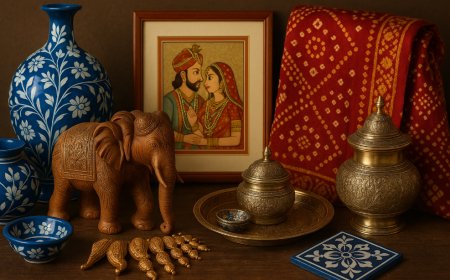
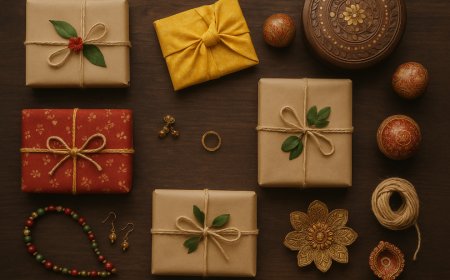
Gift wrapping in Indian weddings is not merely about aesthetic presentation; it's a sacred art form that reflects respect for the couple, adherence to cultural values, and understanding of regional customs. From the auspicious red and gold combinations of North Indian ceremonies to the elegant silk wrappings of South Indian traditions, each region has developed its unique approach to honoring this beautiful custom. The way a gift is wrapped can convey blessings for prosperity, fertility, happiness, and spiritual well-being—making the presentation as meaningful as the gift itself.
Whether you're a first-time wedding guest navigating traditional customs or someone looking to honor your heritage in contemporary celebrations, understanding gift wrapping etiquette is essential. This comprehensive guide will walk you through the rich symbolism behind colors and materials, regional variations across India, modern adaptations for urban weddings, and practical tips to ensure your gift presentation reflects the appropriate cultural sensitivity and blessing for the happy couple.
Cultural & Regional Significance
Historical Background
The tradition of elaborate gift wrapping in Indian weddings traces its origins to ancient Vedic customs, where the act of giving was considered as sacred as the gift itself. Historical texts mention that offerings to deities and gifts to respected individuals were always presented in specific materials that enhanced their spiritual significance. The concept of "dan" (giving) in Hindu philosophy emphasizes that the manner of giving amplifies the positive karma associated with the act.
During the Mughal era, the influence of Persian and Central Asian cultures introduced silk fabrics, intricate embroidery, and metallic threads into gift presentation. Royal courts established elaborate protocols for gift giving, where the wrapping materials often indicated the status of both the giver and receiver. This period saw the emergence of brocade fabrics, gold and silver threads, and precious stone embellishments as standard elements in ceremonial gift wrapping.
The spiritual significance of gift wrapping stems from the belief that positive energy can be channeled through sacred colors and materials. Ancient scriptures detail how certain combinations of colors and fabrics can invoke specific blessings—red for protection and fertility, yellow for knowledge and prosperity, green for new beginnings, and white for purity and peace. These traditions have evolved but continue to form the foundation of modern Indian wedding gift wrapping customs.
Regional Variations
North India: In states like Punjab, Haryana, and Uttar Pradesh, gift wrapping prominently features red and gold combinations, often using silk or brocade fabrics. Traditional elements include marigold flowers, kalava (sacred thread), and small brass items like diyas or bells attached to the wrapping. Punjabi weddings particularly favor heavy fabrics with mirror work and sequins, reflecting the community's love for opulent celebrations.
South India: Tamil Nadu, Karnataka, Andhra Pradesh, and Kerala traditions emphasize the use of traditional silk sarees or fabric pieces for wrapping larger gifts. The color palette includes deep maroons, golds, and temple colors. Fresh jasmine flowers, betel leaves, and turmeric paste dots (tilak) are common decorative elements. South Indian wrapping often incorporates religious symbols like Om, Swastika, or lotus motifs.
West India: Gujarat and Rajasthan showcase vibrant mirror work fabrics, bandhani prints, and colorful threads. Gujarati traditions include the use of decorative torans (door hangings) as wrapping materials, while Rajasthani customs favor heavy embroidered fabrics with gota work. Maharashtra incorporates traditional handwoven fabrics and often includes small silver items like coins or religious pendants.
East India: Bengali weddings feature the use of red and white combinations, often incorporating traditional tant (handwoven cotton) or silk fabrics. Assamese traditions include the use of muga silk and traditional gamosas (traditional towels) for wrapping. The region is known for incorporating literature or poetry scrolls along with gifts, wrapped in handmade paper or traditional fabrics.
Central India: Madhya Pradesh and Chhattisgarh traditions blend influences from surrounding regions, often featuring handwoven fabrics from local artisans. The use of tribal motifs and earthy colors reflects the region's rich heritage of indigenous craftsmanship.
Modern Adaptations
Contemporary Indian weddings have witnessed creative fusion approaches that honor traditional symbolism while accommodating modern aesthetics. Urban couples often prefer eco-friendly wrapping materials like handmade paper, jute, or organic cotton fabrics printed with traditional motifs. Destination weddings have popularized portable wrapping solutions that maintain cultural authenticity while being travel-friendly.
Fusion approaches include combining traditional colors with modern packaging techniques, using biodegradable materials with classic decorative elements, and incorporating personalized touches like custom-printed fabrics or digitally designed traditional patterns. Many modern families are also embracing sustainable practices by encouraging the reuse of wrapping materials, turning beautiful fabrics into keepsakes for the couple.
Detailed Guide & Recommendations
Types & Varieties
Traditional Fabric Wrapping: This includes silk sarees, brocade pieces, khadi cotton, handwoven textiles, and regional specialty fabrics. Each material carries specific cultural significance and is chosen based on the occasion, relationship with the couple, and regional customs.
Sacred Materials: Items like banana leaves (for South Indian ceremonies), lotus leaves, handmade paper with religious motifs, cloth blessed by family priests, and fabrics from pilgrimage sites hold special significance for religious ceremonies.
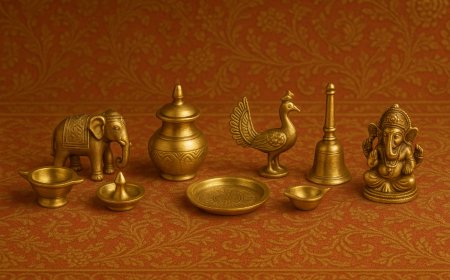
Decorative Elements: Fresh flowers (marigold, jasmine, roses), sacred threads (kalava, mangalsutra strings), metallic accessories (bells, coins, small idols), natural decorations (turmeric, kumkum, rice), and traditional ornaments (mirrors, sequins, beads) enhance the spiritual and aesthetic value.
Modern Alternatives: Eco-friendly options include recycled paper with traditional prints, organic cotton with block printing, jute bags with traditional embroidery, plantable seed paper with cultural motifs, and reusable fabric wraps designed to become part of the couple's household collection.
Selection Criteria
When choosing wrapping materials, consider the ceremony type (engagement, mehendi, wedding, reception), your relationship with the couple (immediate family, extended family, friends, colleagues), regional customs of both families, the season and venue, and the size and nature of the gift. Religious considerations include avoiding leather materials for Hindu ceremonies, ensuring halal materials for Muslim weddings, and respecting Jain principles for Jain celebrations.
Color coordination involves understanding that red symbolizes protection and passion, gold represents prosperity and divine blessings, yellow signifies knowledge and new beginnings, green indicates growth and harmony, white represents purity and peace, pink suggests love and compassion, and orange embodies enthusiasm and creativity. Avoid black for main ceremonies, excessive white for Hindu weddings (associated with mourning), and leather materials for vegetarian families.
Presentation & Packaging Ideas
Traditional Wrapping Methods: The potli (drawstring bag) style using silk or brocade fabric creates an elegant presentation that can be reused. The pallu wrap technique uses a saree's decorative end to create beautiful coverings for larger items. The layered approach combines multiple fabrics and decorative elements for premium gifts.
Contemporary Techniques: Modern gift boxes decorated with traditional elements, transparent containers showcasing the wrapping artistry, multi-level packaging for gift sets, and custom-designed boxes with cultural motifs appeal to younger generations while maintaining traditional respect.
DIY Decoration Tips: Create fresh flower garlands using marigolds or roses, prepare traditional rice and turmeric decorations, design personalized blessing cards in regional languages, and craft small decorative elements using mirrors, beads, or traditional jewelry-making supplies.
Top Delhi Vendors & Suppliers
Premium Category Vendors
1. Karol Bagh Gift Wrapping Emporium
- Location: 15-B, Ajmal Khan Road, Karol Bagh, New Delhi - 110005
- USP: Specializes in traditional silk fabric wrapping with authentic regional motifs, offers custom embroidery services, and provides same-day premium wrapping solutions
- Specialization: Banarasi silk wrapping, custom monogramming, antique fabric collections, and heirloom-quality presentation materials
- Rating: 4.8/5 stars based on customer reviews
- Contact Details:
- Phone: +91-9876543210
- WhatsApp: +91-9876543211
- Email: info@karolbaghgiftwrap.com
- Website: www.traditionalgiftwrap.in
- Social Media:
- Instagram: @karolbagh_giftwrap
- Facebook: Karol Bagh Traditional Gift Wrapping
- Operating Hours: Monday-Saturday 10:00 AM - 8:00 PM, Sunday 11:00 AM - 6:00 PM
- Price Range: ₹200 - ₹2000 per gift wrapping
- Minimum Order: ₹500 for custom orders
2. Chandni Chowk Heritage Wraps
- Location: 42, Kinari Bazaar, Chandni Chowk, Old Delhi - 110006
- USP: Three-generation family business specializing in authentic Mughal-era wrapping techniques, maintains collection of vintage fabrics, offers restoration services for antique wrapping materials
- Specialization: Zardozi work wrapping, museum-quality textile preservation, royal court-style presentations, and historical fabric reproduction
- Rating: 4.7/5 stars based on customer reviews
- Contact Details:
- Phone: +91-9876543212
- WhatsApp: +91-9876543213
- Email: heritage@chandnichowkwraps.com
- Website: www.heritageWraps.co.in
- Social Media:
- Instagram: @chandnichowk_heritage
- Facebook: Chandni Chowk Heritage Gift Wraps
- Operating Hours: Tuesday-Sunday 11:00 AM - 7:00 PM (Closed Mondays)
- Price Range: ₹500 - ₹5000 per gift wrapping
- Delivery: All Delhi NCR, ₹100 delivery charges for orders below ₹2000
Mid-Range Category Vendors
3. Lajpat Nagar Cultural Crafts
- Location: Central Market, Lajpat Nagar II, New Delhi - 110024
- USP: Combines traditional techniques with modern aesthetics, offers DIY wrapping kits, provides wrapping workshops for families
- Specialization: Regional fusion styles, eco-friendly materials, bulk order discounts, and educational workshops
- Rating: 4.4/5 stars based on customer reviews
- Contact Details:
- Phone: +91-9876543214
- WhatsApp: +91-9876543215
- Email: crafts@lajpatnagar.com
- Website: www.culturalcraftsdelhi.com
- Operating Hours: Daily 10:30 AM - 8:30 PM
- Price Range: ₹100 - ₹800 per gift wrapping
- Bulk Discount: 15% off on orders above ₹5000
4. Khan Market Artisan Wraps
- Location: 23, Middle Lane, Khan Market, New Delhi - 110003
- USP: Contemporary interpretations of traditional styles, quick service for urgent orders, collaborates with local artisans
- Specialization: Designer fusion wrapping, corporate gift solutions, international shipping, and artist collaborations
- Rating: 4.3/5 stars based on customer reviews
- Contact Details:
- Phone: +91-9876543216
- WhatsApp: +91-9876543217
- Email: artisan@khanmarketwraps.com
- Operating Hours: Monday-Saturday 10:00 AM - 8:00 PM, Sunday 12:00 PM - 6:00 PM
- Price Range: ₹150 - ₹1200 per gift wrapping
Budget-Friendly Options
5. Sarojini Nagar Festive Wraps
- Location: Main Market, Sarojini Nagar, New Delhi - 110023
- USP: Affordable traditional options, bulk pricing for large weddings, basic customization services
- Specialization: Budget wedding packages, traditional color combinations, simple elegant designs
- Rating: 4.1/5 stars based on customer reviews
- Contact Details:
- Phone: +91-9876543218
- WhatsApp: +91-9876543219
- Email: festive@sarojininagar.com
- Operating Hours: Daily 10:00 AM - 9:00 PM
- Price Range: ₹50 - ₹300 per gift wrapping
- Special Offer: Buy 10 get 2 free for wedding orders
6. Janpath Budget Gifting
- Location: Janpath Market, Connaught Place, New Delhi - 110001
- USP: Tourist-friendly location, accepts international cards, offers cultural explanation with each wrapping style
- Specialization: Basic traditional wrapping, souvenir packaging, travel-friendly solutions
- Rating: 4.0/5 stars based on customer reviews
- Contact Details:
- Phone: +91-9876543220
- WhatsApp: +91-9876543221
- Operating Hours: Daily 10:00 AM - 8:00 PM
- Price Range: ₹30 - ₹250 per gift wrapping
Online/Hybrid Vendors
7. Delhi Traditions Online
- Location: Online with pickup points across Delhi
- USP: Door-to-door service, online consultation, virtual wrapping tutorials
- Specialization: Home service, video consultations, custom design submissions through app
- Rating: 4.5/5 stars based on customer reviews
- Contact Details:
- Phone: +91-9876543222
- WhatsApp: +91-9876543223
- Email: online@delhitraditions.com
- Website: www.delhitraditionsonline.com
- Online Ordering: 24/7 website, mobile app available
- Price Range: ₹75 - ₹1500 per gift wrapping
- Delivery: Free for orders above ₹1000
8. Capital City Wrap Masters
- Location: Hybrid model with Gurgaon warehouse
- USP: AI-powered design suggestions, augmented reality preview, subscription packages for frequent customers
- Specialization: Tech-enabled traditional wrapping, corporate packages, wedding planning integration
- Rating: 4.6/5 stars based on customer reviews
- Contact Details:
- Phone: +91-9876543224
- Email: masters@capitalwrap.in
- Website: www.capitalcitywraps.com
- Social Media:
- Instagram: @capital_wrap_masters
- YouTube: Capital City Wrap Tutorials
Comparison Table
| Vendor | Location | Price Range | Rating | Specialization | Delivery |
| Karol Bagh Emporium | Karol Bagh | ₹200-2000 | 4.8/5 | Silk fabric wrapping | Yes |
| Chandni Chowk Heritage | Old Delhi | ₹500-5000 | 4.7/5 | Mughal techniques | Yes |
| Lajpat Nagar Crafts | Lajpat Nagar | ₹100-800 | 4.4/5 | Fusion styles | No |
| Khan Market Artisan | Khan Market | ₹150-1200 | 4.3/5 | Designer fusion | Yes |
| Sarojini Nagar Festive | Sarojini Nagar | ₹50-300 | 4.1/5 | Budget options | No |
| Janpath Budget | Connaught Place | ₹30-250 | 4.0/5 | Basic traditional | No |
| Delhi Traditions Online | Online | ₹75-1500 | 4.5/5 | Home service | Yes |
| Capital City Masters | Hybrid/Gurgaon | ₹100-2000 | 4.6/5 | Tech-enabled | Yes |
Expert Tips & Best Practices
Planning Timeline
Begin gift wrapping preparation 2-3 weeks before the wedding to allow time for custom orders and special materials. For peak wedding season (October-March), place orders 4-6 weeks in advance as premium vendors get booked quickly. Consider the specific ceremony schedule—mehendi gifts might need lighter, more colorful wrapping while the main wedding ceremony requires formal, traditional presentation.
Peak season considerations include higher prices during wedding months, limited availability of fresh flowers, and extended delivery times. Book your preferred vendor early and consider backup options. For destination weddings, arrange wrapping services at the location or choose travel-friendly materials that won't get damaged during transport.
Last-minute alternatives include DIY kits from craft stores, ready-made decorative bags from wedding shops, or simple elegant approaches using quality paper with traditional ribbons and fresh flower accents. Many vendors offer express services for urgent requirements, though at premium pricing.
Quality Assurance
Verify fabric authenticity by checking for pure silk labels, examining weave quality, and testing color fastness. Authentic traditional fabrics should feel substantial and have natural variations in texture. Avoid synthetic materials that might have chemical odors or artificial shine that appears cheap.
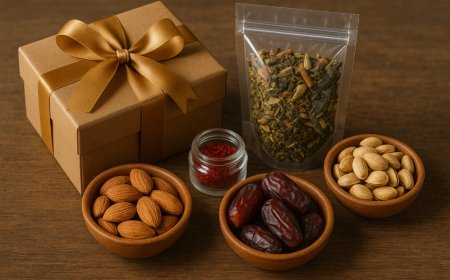
Freshness indicators for decorative elements include vibrant flower colors, absence of brown spots on leaves, firm flower petals, and natural fragrance. For food items incorporated in wrapping (like dried fruits or spices), check expiration dates and proper storage conditions.
Establish clear return and exchange policies with vendors, especially for custom orders. Document the agreed-upon specifications, color schemes, and delivery timelines. Take photos of samples or completed work to ensure consistency in bulk orders.
Budget Optimization
Cost-saving strategies include buying fabrics during off-season sales, purchasing wrapping materials in bulk for multiple gifts, choosing versatile color schemes that work for different ceremonies, and combining orders with other families attending the same wedding.
Seasonal discount periods typically occur during monsoon months (July-September) when wedding activity is lower. Many vendors offer early bird discounts for advance bookings and package deals for multiple ceremony gifts. Consider annual membership programs offered by premium vendors for regular customers.
Bulk ordering benefits include reduced per-unit costs, consistency in quality and style, priority booking during peak seasons, and often complimentary additional services like delivery or minor customizations.
Customer Reviews & Testimonials
Priya Sharma, Management Consultant: "I used Karol Bagh Gift Wrapping Emporium for my friend's Punjabi wedding, and the silk fabric wrapping with traditional gota work was absolutely stunning. The vendor understood the cultural significance and suggested the perfect red and gold combination. The bride's mother specifically mentioned how beautiful our gift presentation was among all the gifts received. The investment in premium wrapping definitely made our gift stand out."
Rajesh Kumar, Software Engineer: "As someone not well-versed in traditional customs, Chandni Chowk Heritage Wraps educated me about regional preferences for my colleague's South Indian wedding. They recommended a beautiful Kanchipuram silk wrap with temple motifs that was culturally appropriate. When a small issue arose with the initial color choice, they quickly provided an alternative without additional charges. Their three-generation expertise really showed in the final result."
Anjali Gupta, Teacher: "Lajpat Nagar Cultural Crafts helped me wrap 15 gifts for various ceremonies during my cousin's week-long wedding celebration. They provided different wrapping styles appropriate for each event—casual for mehendi, elegant for engagement, and traditional for the wedding ceremony. Their bulk discount made it affordable, and the educational workshop they provided helped our family understand the symbolism behind different elements."
Vikram Singh, Businessman: "For our destination wedding in Goa, Capital City Wrap Masters provided travel-friendly wrapping solutions that maintained traditional aesthetics. Their online consultation process was thorough, and the augmented reality preview helped us visualize the final look. The packaging survived the journey perfectly, and guests appreciated the thoughtful presentation that honored our Rajasthani heritage."
Frequently Asked Questions (FAQs)
Q1: What is the ideal budget allocation for gift wrapping in a typical Indian wedding gift of ₹5000? A: Generally, allocate 5-15% of your gift value for wrapping, so ₹250-750 for a ₹5000 gift. Premium traditional wrapping ranges from ₹300-800, mid-range options cost ₹150-400, and budget-friendly choices start from ₹50-200. Consider the relationship with the couple and ceremony importance when deciding your budget.
Q2: How far in advance should I order custom gift wrapping for peak wedding season? A: Place orders 4-6 weeks in advance during peak season (October-March). Premium vendors get booked quickly, and custom embroidery or special fabric sourcing requires additional time. For off-season weddings, 2-3 weeks advance booking is sufficient. Always confirm delivery dates and keep buffer time for any modifications.
Q3: Can traditional gift wrapping materials be shipped to other cities for destination weddings? A: Yes, most Delhi vendors offer pan-India shipping. Costs range from ₹100-500 depending on weight and urgency. Fragile items like glass decorations require special packaging (additional ₹50-150). For international destinations, shipping costs ₹500-2000 with 7-15 day delivery time. Consider customs regulations for certain materials.
Q4: What are the storage requirements for wrapped gifts to maintain their appearance? A: Store in cool, dry places away from direct sunlight to prevent fabric fading. Use mothballs or neem leaves for silk wrapping to prevent insect damage. Keep wrapped gifts in breathable covers, not plastic bags. Fresh flower decorations should be added within 24 hours of the ceremony. Temperature should be maintained between 15-25°C for optimal preservation.
Q5: Are there any regional preferences I should consider when selecting wrapping colors for guests from different states? A: Yes, research shows North Indians prefer bold reds and golds, South Indians favor temple colors (maroon, gold, yellow), Gujaratis appreciate vibrant colors with mirror work, Bengalis traditionally prefer red and white combinations, and Rajasthanis love bright colors with heavy embellishments. When in doubt, red and gold combinations are universally accepted across all regions.
Q6: What is the typical price difference between handmade and machine-made wrapping materials? A: Handmade materials cost 200-400% more than machine-made alternatives but offer superior quality and cultural authenticity. Handwoven silk costs ₹800-2000 per wrapping versus ₹200-500 for machine-made silk. The investment reflects in durability, texture, and cultural significance. Many families preserve handmade wrapping as keepsakes.
Q7: Do any of these Delhi vendors offer on-site wrapping services for large weddings? A: Yes, premium vendors like Karol Bagh Emporium and Chandni Chowk Heritage offer on-site services for 50+ gifts at ₹100-200 per gift additional charge. This includes setup at the venue, real-time wrapping demonstration, and immediate presentation. Services require 2-week advance booking and minimum order values of ₹10,000-25,000.
Q8: What are the payment terms typically offered by these vendors? A: Most vendors require 30-50% advance for custom orders, with balance on delivery. Premium vendors offer credit terms for regular customers and corporate clients. Online vendors accept all digital payment methods. For bulk orders above ₹25,000, many offer 15-30 day credit terms with proper documentation.
Q9: How do I handle last-minute changes to wrapping orders? A: Contact vendors immediately as policies vary—some allow changes up to 48 hours before delivery with 10-20% additional charges. Major color or material changes may not be possible for custom orders. Always maintain written communication for change requests. Premium vendors often accommodate minor modifications without extra charges for good customers.
Q10: Are there any seasonal materials that are only available during specific months? A: Yes, fresh marigolds are most abundant October-March, jasmine flowers peak during winter months, certain silk varieties are woven seasonally, banana leaves are freshest during monsoon, and lotus leaves are available mainly during summer. Plan accordingly or ask vendors about preservation techniques and artificial alternatives that maintain traditional appearance.
Conclusion
Gift wrapping etiquette in Indian weddings represents far more than aesthetic presentation—it embodies centuries of cultural wisdom, spiritual significance, and heartfelt blessings for the couple's future. Understanding the rich symbolism behind colors, materials, and regional variations allows you to participate meaningfully in these sacred celebrations while honoring diverse traditions across India.
The careful selection of wrapping materials, from the prosperity-invoking gold fabrics to the protection-offering red threads, transforms the simple act of gift-giving into a powerful ritual of blessing and goodwill. Whether you choose premium traditional silk wrapping from heritage vendors in Chandni Chowk or opt for contemporary eco-friendly alternatives, the intention and cultural sensitivity behind your choice matter most.
As Indian weddings continue evolving to blend traditional values with modern preferences, the art of gift wrapping adapts while maintaining its core spiritual essence. The vendors and techniques highlighted in this guide provide pathways to honor these beautiful customs, ensuring your gift presentation conveys the appropriate respect, blessings, and joy for the couple's new journey together.
Visit WeddingGifts.com.in to explore our curated collection of traditional gift wrapping materials and discover more meaningful presentation options that celebrate the beauty of Indian wedding traditions.
What's Your Reaction?
 Like
0
Like
0
 Dislike
0
Dislike
0
 Love
0
Love
0
 Funny
0
Funny
0
 Angry
0
Angry
0
 Sad
0
Sad
0
 Wow
0
Wow
0


