






















Traditional Kurta Sets: Regional Styles for Groomsmen Across India
Complete guide to traditional kurta sets with authentic regional styles for groomsmen across India. Delhi vendor recommendations, cultural insights, state-wise menswear traditions, and meaningful gift ideas celebrating heritage.


Traditional kurta sets have emerged as the quintessential choice for Indian groomsmen, offering the perfect fusion of cultural authenticity, regional pride, and contemporary sophistication. These versatile ensembles serve multiple purposes: they honor India's rich textile traditions, provide comfortable and dignified attire for extended wedding celebrations, and create cohesive wedding party aesthetics that photograph beautifully while respecting cultural significance. From the intricate Chikankari work of Lucknow to the vibrant Phulkari embroidery of Punjab, each regional style offers unique aesthetic characteristics and cultural meanings that add depth and authenticity to modern wedding celebrations.
The tradition of regional dress in Indian culture spans thousands of years, with each state and region developing distinctive clothing styles based on local climate, available materials, cultural influences, and historical heritage. These regional variations reflect not just aesthetic preferences but deep cultural values, social structures, and artistic traditions that have been passed down through generations. When modern grooms choose regional kurta sets for their wedding parties, they're connecting their celebration to this rich heritage while supporting traditional artisan communities and preserving cultural knowledge.
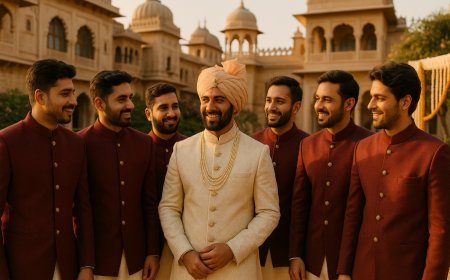
The beauty of regional kurta styling for groomsmen lies in its ability to create unity while celebrating diversity. Whether you choose to dress your entire wedding party in kurtas representing your family's regional heritage, create a pan-Indian representation showcasing different state styles, or select contemporary interpretations that blend multiple regional influences, these choices ensure your groomsmen feel both individually honored and collectively connected to India's magnificent cultural tapestry.
Modern groomsmen appreciate kurta sets for their comfort, versatility, and cultural significance, particularly as contemporary fashion has embraced traditional Indian menswear for both formal occasions and everyday wear. This evolution ensures that kurta gifts provide ongoing utility beyond wedding celebrations, making them practical investments that groomsmen will appreciate and use for years to come while carrying forward cultural traditions in their daily lives.
In this comprehensive guide, you'll discover everything you need to know about selecting, sourcing, and presenting regional kurta sets that beautifully represent India's diverse textile traditions while creating meaningful, wearable gifts your groomsmen will treasure throughout their lives. From understanding the cultural significance of different regional styles to finding skilled tailors in Delhi who specialize in authentic traditional techniques, we'll help you choose groomsmen attire that celebrates both cultural heritage and personal relationships.
Cultural & Regional Significance
Historical Background
The evolution of traditional Indian menswear, particularly the kurta, traces its origins to ancient Mesopotamian and Central Asian civilizations over 2,000 years ago. The garment's name derives from the Persian word "kurteh," indicating its journey through various cultural exchanges along the Silk Road. Archaeological evidence from the Gandhara period shows draped and fitted upper garments that represent early forms of what would evolve into the modern kurta, establishing the foundational design principles that continue to influence contemporary regional styles.
During the Vedic period in India, upper garments called "uttariya" and "vasa" served both practical and ceremonial purposes, with different regions adapting these basic forms to suit local climates, materials, and cultural preferences. Ancient Sanskrit texts including the Mahabharata and Ramayana describe various forms of male attire, establishing the cultural significance of clothing in denoting social status, regional identity, and occasion appropriateness. This period laid the foundation for the regional diversity that characterizes Indian menswear traditions today.
The medieval period saw remarkable development in regional clothing styles as various Indian kingdoms patronized local textile traditions and established distinctive court dress codes. The Rajput courts of Rajasthan, the Vijayanagara Empire in South India, the Bengal Sultanate, and various other regional powers each contributed to the evolution of distinctive menswear styles. This period established many of the regional characteristics, embellishment techniques, and silhouette variations that define contemporary regional kurta styles.
The Mughal period brought profound changes to Indian menswear through the introduction of Persian and Central Asian design elements, creating the fusion styles that characterize much of contemporary formal Indian clothing. Royal workshops employed master tailors who developed sophisticated construction techniques, elaborate embellishment methods, and luxurious fabric combinations that established aesthetic standards still referenced in premium traditional menswear today.
The British colonial period initially disrupted traditional clothing practices as Western dress became associated with social advancement and professional success. However, the independence movement led by Mahatma Gandhi brought renewed focus to traditional Indian clothing as symbols of cultural identity and economic self-reliance. The khadi movement specifically promoted handwoven cotton kurtas, establishing foundations for contemporary appreciation of traditional techniques and regional variations.
Regional Variations
North India: Punjab leads with robust Punjabi kurta-pajama sets featuring bold colors, substantial fabrics, and Phulkari embroidery that reflects the region's agricultural prosperity and celebratory culture. Haryana contributes similar styles with emphasis on comfort and practicality. Rajasthan offers bandhgala kurtas with mirror work, block printing, and desert-inspired motifs that reflect royal heritage. Uttar Pradesh provides Lucknowi kurtas with intricate Chikankari embroidery, while Kashmir contributes elegant styles with subtle embellishment and luxury fabric choices.
South India: Tamil Nadu showcases silk kurtas often paired with traditional veshti, featuring temple-inspired motifs and rich color combinations that reflect the region's Dravidian heritage. Karnataka offers Mysore silk kurtas with sophisticated weaving techniques and subtle elegance. Andhra Pradesh and Telangana contribute cotton kurtas with Kalamkari prints and traditional dyeing techniques. Kerala provides cotton kurtas suitable for tropical climates with minimal embellishment and practical design elements.
West India: Gujarat excels in cotton kurtas with traditional bandhani tie-dye patterns, mirror work embellishments, and vibrant colors that reflect the state's merchant culture and festive traditions. Maharashtra offers kurtas that complement traditional dhoti wearing, often featuring Paithani fabric elements or regional motifs. The region's textile tradition emphasizes quality cotton and sophisticated finishing techniques.
East India: West Bengal provides handloom cotton kurtas with traditional Bengali motifs, often paired with dhoti for classical combinations. The region's artistic heritage influences kurta designs through subtle pattern work and sophisticated color choices. Assam contributes silk kurtas made from indigenous materials with traditional northeastern motifs and natural dyeing techniques.
Central India: Madhya Pradesh offers kurtas made from Chanderi and Maheshwari fabrics, prized for their lightweight elegance and subtle metallic accents. Chhattisgarh contributes designs influenced by tribal art and forest motifs. These regions often incorporate handloom techniques that create distinctive textures and visual characteristics.
Contemporary Fusion Styles: Modern designers increasingly create kurtas that combine elements from multiple regional traditions, resulting in unique pieces that celebrate India's diverse heritage while appealing to contemporary aesthetic preferences and lifestyle requirements.
Modern Adaptations
Contemporary kurta design has evolved significantly to accommodate modern lifestyle preferences while preserving traditional cultural significance and aesthetic appeal. Today's kurtas often feature improved fit systems, contemporary color palettes, and design elements that work equally well for formal occasions and casual wear. These adaptations ensure that traditional gifts remain relevant and useful for groomsmen with diverse fashion preferences and lifestyle needs.
Technology integration has enhanced traditional production methods through computer-aided design for pattern creation, precision cutting techniques, and improved quality control systems while maintaining handcraft authenticity where appropriate. Many contemporary kurta makers use advanced fitting systems and sizing standardization that ensures consistent quality across large groomsmen orders while preserving traditional construction techniques.
Sustainable adaptations emphasize organic fabrics, natural dyes, eco-friendly production methods, and support for traditional artisan communities that appeal to environmentally conscious consumers. Many modern kurta producers partner with fair trade organizations and sustainable development initiatives, creating garments that honor traditional techniques while meeting contemporary ethical standards.
Contemporary styling innovations have expanded kurta versatility through design elements that facilitate easy mixing with western wear, travel-friendly fabrics that resist wrinkles, and construction details that enhance comfort during extended wear. These innovations ensure that kurta gifts provide genuine long-term utility while maintaining cultural authenticity and traditional aesthetic appeal.
Detailed Guide & Recommendations
Types & Varieties
Regional Style Categories:
- North Indian Collections: Punjabi kurta-pajama, Rajasthani bandhgala, Lucknowi Chikankari, Kashmiri designs
- South Indian Varieties: Tamil silk kurtas, Karnataka handloom, Andhra cotton prints, Kerala minimalist styles
- Western Specialties: Gujarati bandhani, Maharashtra traditional, mirror work embellishments
- Eastern Traditions: Bengali handloom, Assamese silk, traditional dhoti combinations
Fabric Classifications:
- Cotton Varieties: Handloom cotton, organic cotton, Khadi weaves, contemporary blends
- Silk Options: Pure silk, silk-cotton blends, regional silk specialties, luxury finishes
- Linen Collections: Pure linen, linen-cotton combinations, summer-weight options
- Contemporary Materials: Wrinkle-resistant fabrics, travel-friendly options, performance textiles
Embellishment Styles:
- Traditional Embroidery: Chikankari, Phulkari, Zardozi, regional hand techniques
- Print Techniques: Block printing, Kalamkari, Bandhani, contemporary digital prints
- Contemporary Details: Subtle embellishments, modern cuts, fusion elements
- Minimalist Approaches: Clean lines, quality fabrics, sophisticated simplicity
Occasion-Specific Designs:
- Wedding Ceremony: Formal styles with appropriate embellishments and traditional elements
- Reception Events: Contemporary interpretations suitable for mixed cultural gatherings
- Multi-Day Celebrations: Comfortable options for extended wear during various functions
- Seasonal Variations: Climate-appropriate fabrics and colors for different wedding seasons
Size and Fit Options:
- Traditional Fit: Loose, comfortable styling reflecting historical preferences
- Contemporary Fit: Tailored silhouettes that flatter modern body preferences
- Fusion Styles: Adaptable designs that work with both traditional and western accessories
- Custom Tailoring: Made-to-measure options for perfect fit and personalization
Quality Indicators: Premium regional kurta sets feature consistent construction quality, authentic regional design elements, and appropriate fabric choices for specific styles. Check for proper stitching techniques, quality finishing, accurate traditional motifs, and comfortable fit. Authentic pieces show regional technique characteristics, appropriate proportions, and traditional construction methods.
Price Ranges:
- Budget Traditional: ₹1500-4000 per set (cotton varieties, basic embroidery, standard tailoring)
- Mid-Range Authentic: ₹4000-8000 per set (quality fabrics, detailed work, regional authenticity)
- Premium Handcrafted: ₹8000-20000 per set (luxury materials, master tailoring, extensive handwork)
- Ultra-Luxury Collections: ₹20000+ per set (museum-quality craftsmanship, rare techniques, precious materials)
Selection Criteria
Groomsmen Comfort and Preference Analysis: Evaluate each groomsman's comfort level with traditional clothing, body type considerations, and personal style preferences. Some may prefer subtle, sophisticated designs while others appreciate bold traditional elements. Consider their typical clothing choices, cultural backgrounds, and comfort with different levels of traditional styling when selecting specific regional styles and embellishment levels.
Wedding Theme and Cultural Integration: Coordinate kurta selections with your overall wedding aesthetic, cultural theme, and venue characteristics. Traditional ceremonies benefit from authentic regional styles with classical elements, while contemporary celebrations might suit modern interpretations or fusion designs. Consider how kurtas will photograph with different backgrounds and coordinate with other wedding elements throughout various celebration events.
Regional Heritage Representation: Choose kurta styles that appropriately represent your family's cultural heritage or create diverse collections that celebrate India's textile diversity. Consider representing family origin states, incorporating meaningful regional connections, or selecting styles that hold special significance for your relationship with individual groomsmen while ensuring cultural appropriateness and authenticity.
Practical Considerations: Evaluate comfort requirements for extended wear during multi-day celebrations, climate appropriateness for wedding season and venue, and versatility for different event types within your wedding celebration. Consider maintenance requirements, travel considerations for destination weddings, and long-term usability that ensures groomsmen will appreciate and use their kurtas beyond the wedding.
Coordination and Aesthetic Harmony: Plan color schemes, embellishment levels, and style variations that create cohesive wedding party aesthetics while allowing for appropriate hierarchy recognition (different styles for best man, brothers, friends). Consider how kurtas will coordinate with the groom's outfit, wedding color palette, and overall celebration styling.
Presentation & Packaging Ideas
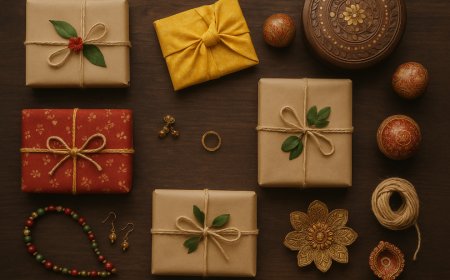
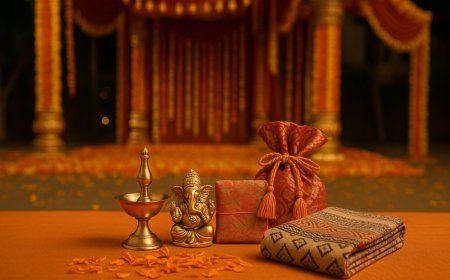
Traditional Cultural Presentation: Create presentation setups that honor regional heritage through appropriate decorative elements, traditional packaging materials, and cultural symbols that enhance the significance of the gift. Include information about regional traditions, tailoring techniques, and cultural meanings that help recipients understand and appreciate their kurtas' heritage and significance.
Regional Thematic Display: Organize presentation areas that reflect specific regional characteristics – Rajasthani displays might feature desert colors and traditional brass elements, while South Indian presentations could include banana leaves and temple-inspired decorations. These thematic approaches enhance cultural authenticity and create memorable unboxing experiences.
Educational Cultural Integration: Include detailed information about regional clothing traditions, historical significance, traditional wearing methods, and contemporary styling options that help groomsmen appreciate and utilize their gifts effectively. Provide historical context, construction details, and care instructions that enhance long-term appreciation and proper maintenance.
Modern Sophisticated Display: Contemporary presentation emphasizes elegant packaging that protects fine fabrics while creating luxurious gift experiences. Consider premium boxes with tissue paper, elegant hangers, and coordinated presentation materials that honor both traditional craftsmanship and modern aesthetic preferences.
Interactive Fitting and Styling: Organize presentation events where groomsmen can try different styling approaches, receive fitting assistance, or learn about traditional wearing methods. These interactive experiences ensure proper fit while creating deeper appreciation for traditional clothing and confidence about wearing kurtas appropriately.
Top Delhi Vendors & Suppliers
Premium Category Vendors
1. Royal Kurta House - Heritage Menswear Specialists
- Location: 34, Connaught Place, New Delhi 110001
- USP: Fourth-generation tailors, museum-quality craftsmanship, regional authenticity
- Specialization: Traditional regional styles, luxury fabrics, custom tailoring
- Rating: 4.9/5 stars based on customer reviews
- Contact Details:
- Phone: +91-11-23411000
- WhatsApp: +91-9810123456
- Email: royal@kurtahouse.in
- Website: www.royalkurtahouse.com
- Social Media:
- Instagram: @royal_kurta_house
- Facebook: Royal Kurta House Delhi
- Operating Hours: Monday-Saturday, 10:00 AM - 8:00 PM
- Price Range: ₹8000 - ₹35000 per set
- Minimum Order: 5 sets for custom group orders
2. Regional Menswear Gallery - Authentic State Collections
- Location: 67, Khan Market, New Delhi 110003
- USP: State-wise specialization, master artisan partnerships, cultural accuracy
- Specialization: Regional authenticity, traditional techniques, educational collections
- Rating: 4.8/5 stars based on customer reviews
- Contact Details:
- Phone: +91-11-24691234
- WhatsApp: +91-9876543210
- Email: gallery@regionalmenswear.co.in
- Website: www.regionalmenswear.com
- Social Media:
- Instagram: @regional_menswear_gallery
- Facebook: Regional Menswear Gallery
- Operating Hours: Monday-Sunday, 9:30 AM - 8:30 PM
- Price Range: ₹5000 - ₹25000 per set
- Delivery: Free delivery above ₹50000 within Delhi NCR
Mid-Range Category Vendors
3. Delhi Kurta Emporium - Traditional Specialists
- Location: 45, Karol Bagh Market, New Delhi 110005
- USP: Wide regional variety, competitive pricing, reliable quality
- Specialization: Popular regional styles, group orders, moderate customization
- Rating: 4.5/5 stars based on customer reviews
- Contact Details:
- Phone: +91-11-25823456
- WhatsApp: +91-9988776655
- Email: emporium@delhikurta.com
- Operating Hours: Monday-Sunday, 9:00 AM - 9:30 PM
- Price Range: ₹3000 - ₹12000 per set
- Minimum Order: 8 sets for bulk rates
4. Artisan Menswear Collection - Handcrafted Varieties
- Location: 89, Lajpat Nagar Central Market, New Delhi 110024
- USP: Handloom focus, artisan support, traditional techniques
- Specialization: Handwoven fabrics, traditional construction, moderate pricing
- Rating: 4.4/5 stars based on customer reviews
- Contact Details:
- Phone: +91-11-29843567
- WhatsApp: +91-9123456789
- Email: artisan.menswear@yahoo.com
- Operating Hours: Monday-Sunday, 10:00 AM - 8:30 PM
- Price Range: ₹2500 - ₹10000 per set
- Delivery: Available within 15km radius
Budget-Friendly Options
5. Chandni Chowk Kurta Bazaar - Wholesale Traditional
- Location: 78, Chandni Chowk Main Market, Delhi 110006
- USP: Wholesale pricing, large inventory, traditional market experience
- Specialization: Basic regional styles, standard quality, bulk quantities
- Rating: 4.2/5 stars based on customer reviews
- Contact Details:
- Phone: +91-11-23968741
- WhatsApp: +91-8765432109
- Email: kurtabazaar.cc@rediffmail.com
- Operating Hours: Monday-Saturday, 9:00 AM - 7:30 PM
- Price Range: ₹1200 - ₹5000 per set
- Minimum Order: 12 sets for wholesale rates
6. Budget Menswear Store - Economic Solutions
- Location: 56, Sadar Bazaar, Delhi 110006
- USP: Lowest prices, basic quality, mass market appeal
- Specialization: Simple kurta sets, standard designs, large orders
- Rating: 4.0/5 stars based on customer reviews
- Contact Details:
- Phone: +91-11-23456789
- WhatsApp: +91-9876501234
- Email: budgetmenswear@gmail.com
- Operating Hours: Monday-Sunday, 8:00 AM - 8:30 PM
- Price Range: ₹800 - ₹3500 per set
- Delivery: Self-pickup preferred
Online/Hybrid Vendors
7. KurtaSets.in - Digital Menswear Platform
- Location: Online platform with Delhi fulfillment center
- USP: Extensive catalog, virtual fitting, doorstep delivery
- Specialization: Regional collections, size customization, tech integration
- Rating: 4.6/5 stars based on customer reviews
- Contact Details:
- Phone: +91-11-45567890
- WhatsApp: +91-9876543210
- Email: care@kurtasets.in
- Website: www.kurtasets.in
- Social Media:
- Instagram: @kurta_sets_india
- Facebook: Kurta Sets India
- Operating Hours: 24/7 online ordering, customer service 9:00 AM - 8:00 PM
- Price Range: ₹1800 - ₹15000 per set
- Online Ordering Process: Style selection, size customization, fit consultation, delivery
8. Traditional Tailors Network - Artisan Platform
- Location: Online platform connecting multiple traditional tailors
- USP: Direct artisan access, authentic techniques, cultural preservation
- Specialization: Traditional methods, regional expertise, fair trade
- Rating: 4.7/5 stars based on customer reviews
- Contact Details:
- Phone: +91-80-41234567
- WhatsApp: +91-9988776655
- Email: hello@traditionaltailors.in
- Website: www.traditionaltailors.in
- Operating Hours: 24/7 online, phone support 10:00 AM - 6:00 PM
- Price Range: ₹2500 - ₹18000 per set
- Delivery: Pan-India shipping, express delivery available
Comparison Table
| Vendor | Location | Price Range | Rating | Specialization | Delivery |
| Royal Kurta House | Connaught Place | ₹8000-35000 | 4.9/5 | Heritage Specialists | Yes |
| Regional Menswear Gallery | Khan Market | ₹5000-25000 | 4.8/5 | State Collections | Yes |
| Delhi Kurta Emporium | Karol Bagh | ₹3000-12000 | 4.5/5 | Traditional Specialists | Limited |
| Artisan Menswear Collection | Lajpat Nagar | ₹2500-10000 | 4.4/5 | Handcrafted Varieties | Yes |
| Chandni Chowk Bazaar | Chandni Chowk | ₹1200-5000 | 4.2/5 | Wholesale Traditional | No |
| Budget Menswear Store | Sadar Bazaar | ₹800-3500 | 4.0/5 | Economic Solutions | No |
| KurtaSets.in | Online Platform | ₹1800-15000 | 4.6/5 | Digital Platform | Yes |
| Traditional Tailors Network | Online Platform | ₹2500-18000 | 4.7/5 | Artisan Platform | Yes |
Expert Tips & Best Practices
Planning Timeline
6-8 Months Before Wedding: Begin researching regional kurta styles, understanding groomsmen preferences, and connecting with specialized tailors for custom work. Traditional handwork and authentic regional pieces require extensive lead times, especially during peak wedding season. This timeline allows for style exploration, fitting consultations, cultural research, and vendor comparison.
12-16 Weeks Before: Finalize vendor selection, conduct detailed fittings, and place confirmed orders with substantial advance payments. Confirm regional styles, fabric choices, embellishment levels, and delivery schedules. Traditional tailoring requires multiple fittings and quality time for handwork, especially for groomsmen in different locations.
6-8 Weeks Before: Arrange final fittings, quality inspections, and delivery coordination. Plan storage arrangements that protect fine fabrics from humidity, insects, and wrinkles. Confirm any last-minute size adjustments and prepare care instruction materials for proper maintenance.
Peak Season Considerations: During October-March wedding season, master tailors specializing in regional styles are often booked 6-8 months in advance. Premium fabric availability may be limited, and prices can increase 25-35% during peak demand. Consider early booking advantages and off-season preparation if timing flexibility allows significant cost savings.
Last-Minute Solutions: Maintain relationships with vendors who stock high-quality ready-made regional kurtas that can be altered for proper fit. Delhi's textile markets offer extensive immediate options, though premium custom work and authentic regional specialties may not be available with short notice.
Quality Assurance
Regional Authenticity Verification: Research traditional design elements, construction techniques, and cultural appropriateness to verify authentic regional representation versus commercial interpretations. Examine pieces for proper traditional motifs, authentic embellishment techniques, and culturally accurate design elements. Consult cultural experts or traditional artisans when uncertain about authenticity claims.
Tailoring and Construction Quality: Inspect stitching quality, fabric grain alignment, seam finishing, and overall construction standards. Premium kurtas feature hand-finished details, proper interfacing, quality button attachment, and construction techniques that ensure durability and comfort. Check for consistent sizing across multiple pieces and proper fit adjustments.
Fabric Quality and Appropriateness: Verify fabric authenticity, weight appropriateness for intended use, color fastness, and comfort characteristics. Traditional fabrics should reflect regional preferences and seasonal appropriateness. Test fabric behavior through washing or cleaning to ensure longevity and maintenance practicality.
Fit and Comfort Assessment: Ensure proper fit across shoulders, chest, length, and sleeve proportions for each groomsman's body type and comfort preferences. Traditional kurtas should allow comfortable movement while maintaining appropriate traditional silhouettes. Plan for climate considerations and extended wear during celebration events.
Budget Optimization
Strategic Style Selection: Balance premium regional specialties with beautiful but more economical options to control costs while maintaining cultural richness and visual impact. Choose signature regional pieces for key groomsmen (best man, brothers) while selecting quality but simpler styles for other party members.
Bulk Ordering Advantages: Orders above 8-12 sets typically qualify for 15-25% discounts and may include complimentary accessories, packaging, or minor customizations. Negotiate comprehensive packages that include alterations, pressing, and delivery services. Consider group measurements and fittings to reduce individual consultation costs.
Fabric and Timing Strategies: Choose seasonal fabrics that align with production cycles for better pricing. Early booking during off-season periods can reduce costs by 20-30% compared to peak wedding season pricing. Consider regional fabric specialties that may offer natural cost advantages while maintaining authenticity.
Value Enhancement Approaches: Focus on versatile styles that groomsmen can wear for multiple occasions beyond the wedding, maximizing long-term value and appreciation. Include care instructions and styling guides that help recipients maintain and utilize their kurtas effectively for years of ongoing use and cultural connection.
Customer Reviews & Testimonials
Rahul & Priya Sharma, Multi-Regional Wedding (10 groomsmen): "Royal Kurta House created a stunning collection representing different regional styles for our groomsmen – Rajasthani bandhgala for my cousins, Bengali kurta-dhoti for my friend from Kolkata, and South Indian silk kurtas for my Tamil colleagues. Each piece was tailored perfectly and represented authentic regional traditions. Two years later, my groomsmen still wear them for festivals and cultural events. The master tailor's knowledge about regional styles was incredible, and the quality has held up beautifully through multiple wears and cleanings."
Vikram & Meera Patel, Traditional Gujarati Wedding (8 groomsmen): "Regional Menswear Gallery helped us source authentic Gujarati kurtas with traditional bandhani work and mirror embellishments, along with complementary styles for groomsmen from other regions. The vendor's understanding of cultural appropriateness was exceptional, and they guided us in selecting styles that honored traditions while ensuring everyone felt comfortable. The fabrics were luxurious, and the tailoring was impeccable. Six months later, they're still sharing photos of occasions where they've worn their kurtas."
Sanjay & Anjali Gupta, Fusion Wedding (6 groomsmen): "Delhi Kurta Emporium created contemporary interpretations of traditional regional styles that worked perfectly for our fusion celebration. The kurtas were comfortable for our outdoor venue and photographed beautifully. Despite being mid-range pricing, the quality and attention to detail exceeded expectations. My groomsmen appreciated having authentic Indian formal wear that they could use for future cultural events and professional occasions."
Arjun & Kavitha Singh, Destination Wedding (4 groomsmen): "KurtaSets.in coordinated everything online for our Goa destination wedding, ensuring proper sizing and delivery to our venue. We chose lightweight cotton kurtas in regional styles that were perfect for the coastal climate. The virtual fitting consultations were surprisingly effective, and everything arrived perfectly fitted and pressed. The travel-friendly fabrics were ideal for destination celebrations, and the kurtas became favorite pieces for casual cultural occasions."
Frequently Asked Questions (FAQs)
Q1: How do I choose appropriate regional kurta styles for groomsmen from different cultural backgrounds? A: Focus on inclusive regional styles with broad appeal or create diverse collections that respectfully represent different traditions. Research cultural significance and appropriate contexts for selected styles. Include cultural information that helps all groomsmen understand and appreciate their kurtas. Consult cultural experts for authentic and appropriate selections.
Q2: How far in advance should I order custom regional kurta sets for groomsmen? A: Place orders 12-20 weeks in advance for authentic handcrafted regional pieces, especially during wedding season. Master tailors require significant time for traditional techniques and multiple fittings. Standard regional styles need 8-10 weeks, while museum-quality handwork may require 5-6 months during peak periods.
Q3: What fitting considerations are important for groomsmen kurta sets? A: Schedule multiple fittings to ensure proper fit across shoulders, chest, length, and comfort for extended wear. Traditional kurtas should allow comfortable movement while maintaining appropriate silhouettes. Consider climate factors, venue requirements, and individual comfort preferences when finalizing fits.
Q4: How do I coordinate kurta styles to create cohesive groomsmen aesthetics? A: Plan color schemes, embellishment levels, and regional styles that complement each other while maintaining individual authenticity. Consider creating hierarchy through different styles for best man versus other groomsmen. Coordinate with groom's outfit and overall wedding color palette for visual harmony.
Q5: What care instructions should I provide with traditional kurta sets? A: Include detailed care cards specific to fabric types and embellishment techniques. Hand-embroidered pieces often require dry cleaning, while cotton kurtas may be hand-washable. Provide storage recommendations, pressing instructions, and maintenance tips that preserve traditional techniques and fabric quality.
Q6: What is the typical price difference between regional handcrafted and machine-made kurtas? A: Authentic handcrafted regional kurtas cost 200-400% more than machine-made alternatives but offer superior quality, cultural authenticity, and unique craftsmanship. Machine-made: ₹1000-5000 per set. Handcrafted: ₹4000-20000+ per set. The investment supports traditional artisans and provides genuine cultural artifacts.
Q7: Can vendors accommodate different sizing requirements for groomsmen in various cities? A: Yes, many premium vendors offer remote measurement services, shipping for fittings, or coordination with local tailors for adjustments. Some vendors travel to different cities for group fittings or partner with local artisans. Plan additional time and budget for long-distance coordination services.
Q8: How do I ensure cultural appropriateness when selecting regional kurta styles? A: Research traditional contexts and cultural significance of different regional styles. Work with vendors who understand traditional applications and cultural sensitivities. Avoid highly ceremonial or sacred styles unless appropriate for your celebration context. Include cultural education that promotes respectful appreciation.
Q9: What accessories coordinate well with different regional kurta styles? A: Traditional accessories vary by region – Rajasthani styles suit turbans and traditional footwear, South Indian kurtas pair with gold accessories, Bengali styles work with traditional cotton accessories. Many vendors can suggest appropriate coordination or provide matching accessories that enhance authentic regional presentations.
Q10: Are there seasonal considerations for regional kurta fabric selection? A: Yes, coordinate fabric weights and types with wedding season and climate. Summer celebrations suit lightweight cotton and linen, while winter weddings work well with silk and heavier fabrics. Consider regional climate adaptations – South Indian silks for formal occasions regardless of season, while North Indian cottons suit hot weather celebrations.
Conclusion
Traditional kurta sets representing India's diverse regional heritage offer the perfect embodiment of cultural celebration, masculine elegance, and regional pride for modern groomsmen attire. These sophisticated garments carry forward thousands of years of textile traditions while adapting beautifully to contemporary wedding aesthetics and lifestyle preferences. Every carefully selected kurta tells multiple stories: the ancient techniques of regional artisans, the cultural heritage of different Indian states, and the personal bonds that connect groomsmen to the celebration of marriage and friendship.
The enduring appeal of regional kurta collections lies in their unique ability to honor India's incredible diversity while creating cohesive wedding aesthetics that celebrate both tradition and modernity. Unlike temporary formal wear that may be used only once, traditional kurtas become valued wardrobe additions that enhance countless future occasions while serving as constant reminders of cultural heritage and meaningful friendships.
Delhi's exceptional network of traditional tailors and regional menswear specialists offers unparalleled access to authentic kurta collections that represent the finest examples of state-specific traditions and contemporary innovations. Whether you choose museum-quality handcrafted pieces from master artisans or thoughtfully selected authentic ready-to-wear options, the key lies in selecting genuine regional representations that honor traditional techniques while providing practical comfort and ongoing utility.
The overwhelmingly positive response from groomsmen to traditional kurta gifts demonstrates their deep appreciation for attire that combines cultural education, practical versatility, and masculine sophistication. These garments often inspire recipients to explore other aspects of Indian culture, develop appreciation for traditional crafts, or incorporate cultural elements into their personal style and professional wardrobes.
Visit WeddingGifts.com.in to explore our curated collection of traditional kurta sets featuring authentic regional designs and discover more meaningful groomsmen gift options that celebrate the dignified elegance and cultural richness of Indian menswear traditions.
What's Your Reaction?
 Like
0
Like
0
 Dislike
0
Dislike
0
 Love
0
Love
0
 Funny
0
Funny
0
 Angry
0
Angry
0
 Sad
0
Sad
0
 Wow
0
Wow
0


