












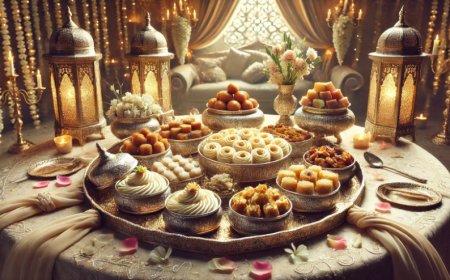


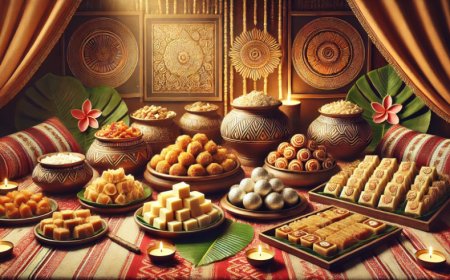


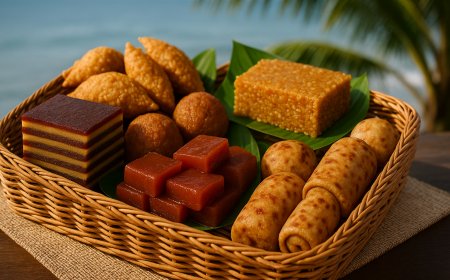

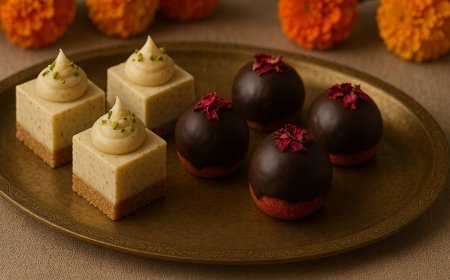







The Art of Gifting Mithai During Indian Wedding Rituals
Discover the sacred art of gifting mithai during Indian wedding rituals from Sagai to Bidai ceremonies. Explore spiritual significance, traditional protocols, and regional customs for ceremonial sweet offerings. Learn authentic preparation methods, cultural protocols, and find specialized Delhi vendors who understand religious requirements for meaningful wedding ritual experiences that honor spiritual traditions and family heritage through blessed sweet exchanges.

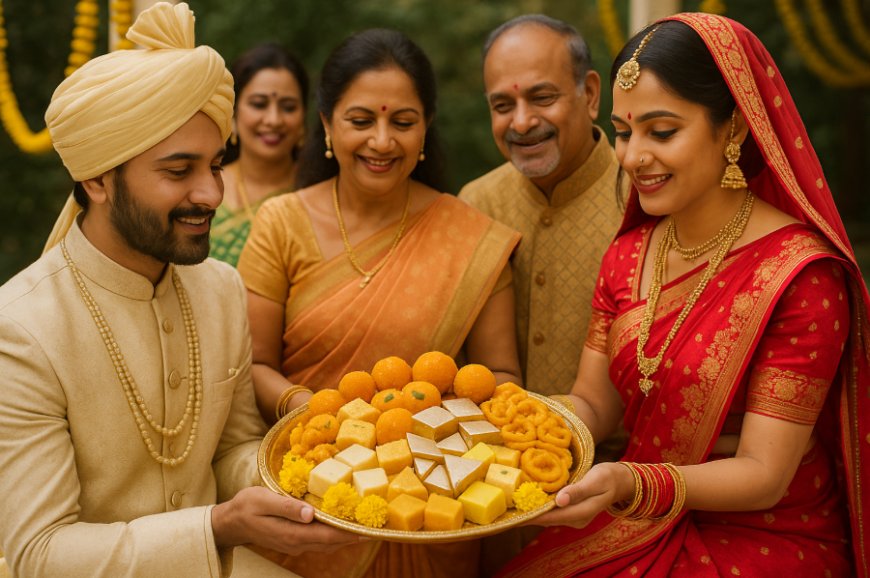
For families planning authentic Indian wedding celebrations, understanding the ritual significance of mithai gifting represents more than following tradition. These sweet offerings are spiritual vessels that carry ancestral blessings, cultural bridges that honor time-tested customs, and sacred elements that transform ceremonial moments into deeply meaningful experiences. The art of selecting, presenting, and exchanging mithai during specific rituals has evolved into a sophisticated aspect of wedding planning that requires understanding of both religious significance and cultural protocol.
Regional variations across India offer rich traditions for incorporating meaningful sweet exchanges into wedding rituals, each carrying specific symbolic meanings tied to local customs and spiritual beliefs. While North Indian ceremonies might emphasize rich, ghee-laden offerings during Sagai, South Indian traditions could feature coconut-based preparations during Mangalasnanam, and Bengali families might present artistic sandesh during Gaye Holud. This comprehensive guide explores the sacred art of mithai gifting across various Indian wedding rituals, revealing the deep spiritual significance behind these sweet traditions and providing authentic guidance for honoring these customs in contemporary celebrations.
Cultural & Regional Significance
Historical Background
The tradition of ritual mithai gifting in Indian weddings stems from ancient Vedic practices where offering sweets was believed to invoke divine blessings and ensure prosperity for the new union. Historically, the exchange of sweet offerings during ceremonies represented the sharing of life's sweetness between families, with each ritual requiring specific types of sweets that carried particular spiritual meanings. The practice evolved from simple offerings to elaborate presentations that reflect family status, cultural heritage, and spiritual devotion.
Indian wedding rituals have always emphasized the significance of food as a medium for spiritual connection and community bonding. The act of preparing, presenting, and sharing mithai during ceremonies creates sacred moments where material offerings become vessels for divine blessings, family prayers, and generational wisdom passed down through sweet traditions that connect modern celebrations to ancient spiritual practices.
Regional Variations in Ritual Mithai Traditions
North Indian Ceremonial Practices: Traditional North Indian wedding rituals feature extensive use of rich, ghee-laden sweet offerings, particularly during key ceremonies where elaborate presentations of kaju katli, ladoos, and barfi varieties are exchanged between families. Punjab and Rajasthan maintain distinct traditions where specific sweets carry ceremonial significance tied to agricultural abundance and desert heritage.
Punjab Sacred Traditions: Punjabi wedding rituals emphasize wheat-based sweet offerings like atta ladoos and pinni during Sagai and Sagan ceremonies, where these preparations symbolize prosperity, fertility, and the blessings of abundant harvests. The tradition of presenting these sweets on brass platters with fresh flowers honors both spiritual requirements and cultural heritage.
Rajasthani Royal Heritage: Rajasthani wedding ceremonies feature elaborate sweet presentations including ghevar, churma, and specialty preparations that reflect the region's royal heritage, often presented in ornate silver containers that become family heirlooms. These offerings during Sagai and pre-wedding rituals carry significance related to abundance, protection, and royal blessings.
Delhi Metropolitan Fusion: Delhi's diverse cultural landscape has created unique traditions that blend various regional practices, where families often incorporate multiple regional sweet varieties into single ceremonies to honor diverse heritage while maintaining ceremonial authenticity and spiritual significance.
Bengali Artistic Ceremony: Bengali wedding rituals feature extensive use of artistic sweet presentations, particularly during Gaye Holud where elaborate arrangements of sandesh, rasgulla, and artistic preparations become central elements of ceremonial exchange. The tradition of presenting these sweets with cultural storytelling and artistic decoration honors Bengal's rich confectionery heritage.
East Bengali Heritage Adaptations: Bengali families with roots in modern-day Bangladesh often maintain distinct ceremonial traditions featuring unique sweet combinations and presentation styles that reflect the cultural nuances of East Bengal heritage while adapting to contemporary celebration requirements.
Urban Bengali Contemporary: Modern Bengali families living in metropolitan areas have adapted traditional ritual sweet practices while maintaining cultural authenticity, often choosing professional presentations that honor ceremonial requirements while accommodating contemporary venue and logistics considerations.
South Indian Temple Traditions: Tamil Nadu and Kerala wedding rituals showcase coconut and jaggery-based sweet offerings that complement temple-style ceremonies, where traditional preparations are presented during Mangalasnanam and other key rituals following temple protocols that honor both religious requirements and regional heritage.
West Indian Festival Integration: Maharashtra and Gujarat wedding ceremonies incorporate sweet offerings that reflect the regions' rich festival traditions, where traditional preparations are adapted for ceremonial use while maintaining the spiritual significance associated with celebration and community blessing.
Central Indian Synthesis: Madhya Pradesh and other central regions have developed unique ceremonial traditions that blend multiple regional influences, creating sweet offerings that serve diverse cultural requirements while maintaining authentic spiritual significance across varied community traditions.
Modern Ceremonial Adaptations
Contemporary Indian families are finding meaningful ways to incorporate traditional ritual mithai gifting into modern wedding celebrations while maintaining religious authenticity and spiritual significance. Many opt for professional coordination services that understand both ceremonial requirements and contemporary presentation standards, ensuring authentic experiences that honor traditions while accommodating modern venue and logistics considerations.
Modern wedding planning now includes specialized ritual coordination services that handle the complex timing, presentation, and spiritual requirements of traditional mithai exchanges, working with heritage sweet makers and religious advisors to create authentic ceremonial experiences that maintain spiritual integrity throughout contemporary celebration formats.
Detailed Guide & Recommendations
Essential Ritual Mithai Categories and Their Sacred Significance
Sagai (Engagement Ceremony) Sacred Offerings:
Premium Engagement Collections: Traditional presentations featuring kaju katli, badam burfi, and gold-leafed specialties that represent the precious nature of the commitment being made. These offerings symbolize the family's recognition of the relationship's value and their investment in the couple's prosperity, typically presented in ornate silver or brass containers that reflect the ceremony's significance.
Prosperity Symbol Preparations: Sweet varieties specifically chosen for their symbolic meanings related to abundance, fertility, and good fortune, including traditional ladoo preparations that represent completeness and circular blessings. The round shape symbolizes the eternal nature of the commitment while the rich ingredients represent material prosperity and spiritual abundance.
Family Heritage Presentations: Regional specialties that represent both families' cultural backgrounds, creating bridge-building exchanges that honor diverse heritage while establishing new family connections. These selections often include signature preparations that tell family stories and cultural traditions through authentic flavors and traditional presentation methods.
Mehendi (Henna Ceremony) Celebratory Exchanges:
Feminine Celebration Specialties: Light, delicate sweet preparations that complement the joyful, feminine energy of Mehendi celebrations, featuring colorful varieties and artistic presentations that match the ceremony's festive and creative atmosphere. These offerings often include sweets that are easy to consume while participating in henna application and celebration activities.
Artistic Presentation Collections: Sweet varieties chosen for their visual appeal and photogenic qualities that complement the decorative nature of Mehendi ceremonies, including naturally colorful preparations and artistically shaped varieties that enhance the overall aesthetic experience while maintaining traditional flavors and cultural significance.
Community Sharing Preparations: Sweet selections designed for easy distribution among the large gatherings typical of Mehendi celebrations, featuring individually portioned varieties that facilitate sharing while maintaining quality and presentation standards throughout extended celebration periods.
Sagan (Blessing Ceremony) Spiritual Offerings:
Sacred Blessing Preparations: Traditional sweet offerings specifically chosen for their spiritual significance in blessing ceremonies, including varieties that have been used in religious contexts for generations and carry particular meaning related to divine favor, protection, and spiritual prosperity for the couple's future.
Elder's Blessing Collections: Sweet presentations designed for respectful offering to elder family members and religious figures, featuring traditional varieties that honor age-old customs and demonstrate appropriate reverence for spiritual and family authority figures who will provide blessings for the marriage.
Ritual Specific Selections: Sweet varieties that align with specific regional and religious requirements for Sagan ceremonies, ensuring that offerings meet traditional protocols while providing meaningful spiritual experiences that connect the couple and families to their religious and cultural heritage.
Bidai (Farewell Ceremony) Emotional Exchanges:
Departure Blessing Preparations: Traditional sweet offerings that accompany the emotional farewell between bride and her family, featuring comfort-providing varieties that symbolize continued family love and support despite physical separation. These selections often include sweets with longer shelf life that can travel with the bride to her new home.
New Home Welcome Collections: Sweet preparations intended for the bride to share with her new family, representing her cultural background and family traditions while providing offerings that demonstrate respect and gratitude toward her new household. These collections often feature signature family recipes that introduce new family members to heritage traditions.
Emotional Comfort Specialties: Traditional varieties chosen for their comforting qualities and association with home and family, providing emotional support during the challenging transition of leaving the parental home while maintaining connections to family heritage through familiar and beloved flavors.
Ceremonial Selection Criteria and Spiritual Considerations
Religious Authenticity and Spiritual Appropriateness:
All sweet offerings must align with specific religious requirements and ceremonial protocols for each ritual Consider traditional preparation methods that honor spiritual significance and maintain religious purity standards Ensure ingredients meet dietary restrictions and religious guidelines appropriate for sacred ceremonial use Balance traditional authenticity with practical requirements for contemporary celebration logistics and venue considerations
Cultural Significance and Family Honor:
Sweet selections should reflect appropriate respect for the ceremony's significance and family traditions Consider regional customs and specific family heritage requirements when choosing varieties and presentation styles Ensure offerings demonstrate proper cultural understanding and reverence for ceremonial importance Balance individual family traditions with broader community expectations and cultural protocols
Presentation Protocol and Ceremonial Timing:
Traditional presentation methods using appropriate serving vessels, decorative elements, and ceremonial protocols Coordinate timing of sweet offerings with specific ritual requirements and religious ceremony flow Ensure appropriate quantities for all participants while maintaining dignity and spiritual significance Plan storage and handling that preserves both quality and ceremonial sanctity throughout celebration periods
Sacred Presentation and Exchange Protocols
Traditional Ceremonial Styling:
Present ritual offerings on brass or silver platters following traditional protocols and religious requirements Include appropriate decorative elements like fresh flowers, religious symbols, and cultural motifs that honor ceremony significance Use traditional coverings and presentation methods that maintain dignity while facilitating ceremonial exchange Coordinate with religious advisors to ensure proper protocol adherence and spiritual appropriateness
Contemporary Respectful Adaptations:
Modern presentation techniques that honor traditional requirements while accommodating contemporary venue and logistics considerations Professional coordination that maintains ceremonial dignity while managing practical celebration requirements Updated storage and handling methods that preserve both quality and spiritual significance throughout extended celebrations Integration with modern wedding planning while preserving authentic ceremonial experience and religious meaning
Family Exchange Coordination:
Systematic organization of ritual exchanges that ensures all family members participate appropriately in ceremonial sweet offerings Clear communication of exchange protocols and timing to all participants for smooth ceremonial flow Respectful coordination that honors elder preferences and religious authority while managing contemporary celebration logistics Documentation and photography that captures ceremonial significance while respecting sacred moments and religious protocols
Top Delhi Vendors & Suppliers for Ritual Mithai
Premium Ceremonial Specialists
1. Brijwasi Sacred Sweets (Ritual Division)
- Location: Main outlet: Mathura Road, New Delhi - 110076 (Multiple temple-adjacent locations)
- USP: 65+ years tradition, temple-quality purity standards, ceremonial expertise, religious consultation services
- Specialization: Ritual-specific preparations, ceremonial presentation coordination, religious compliance, sacred offering standards
- Rating: 4.9/5 stars based on customer reviews
- Contact Details:
- Phone: +91-11-2634-5678
- WhatsApp: +91-99999-67890
- Email: rituals@brijwasisweets.com
- Website: www.brijwasisweets.com/rituals
- Social Media:
- Instagram: @brijwasi_ritual_sweets
- Facebook: Brijwasi Sacred Offerings
- Operating Hours: 5:00 AM - 11:00 PM (All days)
- Price Range: ₹500 - ₹5,000 per ceremonial package
- Specialty: Religious consultation and ceremonial coordination services
2. Heritage Temple Sweets
- Location: Near Akshardham Temple, East Delhi - 110092
- USP: Temple-adjacent location, religious community trust, traditional preparation methods, spiritual authenticity
- Specialization: Sacred ceremony preparations, traditional ritual requirements, religious festival specialties
- Rating: 4.8/5 stars based on customer reviews
- Contact Details:
- Phone: +91-11-4321-6789
- WhatsApp: +91-98765-43210
- Email: sacred@heritagetemplesweets.com
- Website: www.heritagetemplesweets.com
- Social Media:
- Instagram: @heritage_temple_sweets
- Facebook: Heritage Temple Offerings
- Operating Hours: 4:30 AM - 10:30 PM (All days)
- Price Range: ₹400 - ₹4,500 per ritual collection
- Minimum Order: ₹3,000 for ceremony coordination services
Mid-Range Ceremonial Vendors
3. Ritualistic Mithai House
- Location: Connaught Place Central Market, New Delhi - 110001
- USP: Ceremony specialization, cultural consultation, traditional presentation expertise, multi-regional knowledge
- Specialization: Wedding ritual coordination, cultural ceremony requirements, traditional presentation methods
- Rating: 4.6/5 stars based on customer reviews
- Contact Details:
- Phone: +91-11-2331-4567
- WhatsApp: +91-98765-54321
- Email: ceremonies@ritualisticmithai.com
- Website: www.ritualisticmithai.com
- Social Media:
- Instagram: @ritualistic_mithai_house
- Facebook: Ritualistic Mithai House
- Operating Hours: 7:00 AM - 10:00 PM (All days)
- Price Range: ₹300 - ₹3,500 per ceremony package
- Delivery: Delhi NCR with ceremonial timing coordination
4. Sacred Moments Sweets
- Location: Lajpat Nagar Central Market, New Delhi - 110024
- USP: Ceremony timing expertise, cultural sensitivity, traditional recipe preservation, family consultation
- Specialization: Multi-ritual packages, traditional ceremony coordination, cultural education services
- Rating: 4.5/5 stars based on customer reviews
- Contact Details:
- Phone: +91-11-2983-4567
- WhatsApp: +91-87654-32109
- Email: sacred@sacredmomentssweets.com
- Website: www.sacredmomentssweets.com
- Social Media:
- Instagram: @sacred_moments_sweets
- Facebook: Sacred Moments Delhi
- Operating Hours: 6:00 AM - 9:30 PM (All days)
- Price Range: ₹250 - ₹3,000 per ceremonial offering
- Specialty: Cultural consultation and ceremony education services
Budget-Friendly Ceremonial Options
5. Traditional Ceremony Sweets
- Location: Karol Bagh Market, Ajmal Khan Road, New Delhi - 110005
- USP: Affordable ceremonial options, community trust, traditional quality, reliable service
- Specialization: Essential ceremony requirements, basic traditional presentations, community celebrations
- Rating: 4.3/5 stars based on customer reviews
- Contact Details:
- Phone: +91-11-2578-9012
- WhatsApp: +91-99999-54321
- Email: traditional@ceremonysweets.com
- Operating Hours: 7:00 AM - 9:00 PM (All days)
- Price Range: ₹200 - ₹2,000 per basic ceremony package
- Location Advantage: Central location with competitive pricing for ceremonial requirements
6. Community Ritual Offerings
- Location: Tilak Nagar Market, West Delhi - 110018
- USP: Community-focused pricing, neighborhood trust, traditional preparations, reliable quality
- Specialization: Local community ceremonies, affordable ritual options, traditional methods
- Rating: 4.2/5 stars based on customer reviews
- Contact Details:
- Phone: +91-11-2547-8901
- WhatsApp: +91-98765-11111
- Email: community@ritualofferings.com
- Operating Hours: 6:30 AM - 9:00 PM (All days)
- Price Range: ₹150 - ₹1,500 per community ceremony package
- Minimum Order: ₹1,000 for delivery within West Delhi
Online Ceremonial Specialists
7. Digital Ritual Sweets
- Location: Online platform with Delhi fulfillment and religious consultation network
- USP: Convenient ordering, religious consultation, ceremony coordination, traditional authenticity
- Specialization: Online ceremony planning, religious guidance, traditional preparation coordination
- Rating: 4.5/5 stars based on customer reviews
- Contact Details:
- Website: www.digitalritualsweets.com
- Email: ceremonies@digitalritualsweets.com
- Phone: +91-1800-RITUAL-SWEETS
- Operating Hours: 24/7 online with religious consultation by appointment
- Price Range: ₹300 - ₹4,000 per online ceremony package
- Delivery: Pan-India with ceremonial timing coordination
8. Sacred Traditions Online
- Location: Online platform featuring traditional preparation specialists and religious advisors
- USP: Authentic tradition preservation, religious consultation, cultural education, traditional methods
- Specialization: Heritage ceremony preparations, religious authenticity, cultural significance education
- Rating: 4.4/5 stars based on customer reviews
- Contact Details:
- Website: www.sacredtraditionsonline.com
- Email: heritage@sacredtraditions.com
- Phone: +91-98765-SACRED
- Operating Hours: 24/7 online platform with traditional consultation services
- Price Range: ₹400 - ₹5,500 per heritage ceremony collection
- Specialty: Religious authenticity certification and cultural significance documentation
Comparison Table
| Vendor | Location | Price Range | Rating | Specialization | Religious Consultation |
| Brijwasi Sacred | Mathura Road | ₹500-5,000 | 4.9/5 | Temple standards | Yes |
| Heritage Temple | East Delhi | ₹400-4,500 | 4.8/5 | Religious community | Yes |
| Ritualistic Mithai | Connaught Place | ₹300-3,500 | 4.6/5 | Multi-regional | Yes |
| Sacred Moments | Lajpat Nagar | ₹250-3,000 | 4.5/5 | Cultural consultation | Yes |
| Traditional Ceremony | Karol Bagh | ₹200-2,000 | 4.3/5 | Essential requirements | Limited |
| Community Ritual | Tilak Nagar | ₹150-1,500 | 4.2/5 | Local community | Limited |
| Digital Ritual | Online | ₹300-4,000 | 4.5/5 | Online coordination | Yes |
| Sacred Traditions | Online | ₹400-5,500 | 4.4/5 | Heritage authenticity | Yes |
Expert Tips & Best Practices
Ceremonial Planning Timeline and Spiritual Preparation
6-8 Weeks Before Ceremonies: Begin consultation with religious advisors and cultural experts to understand specific ceremonial requirements for your family traditions and regional customs. This is crucial for ensuring authentic spiritual experiences and proper protocol adherence throughout wedding rituals.
4-5 Weeks Before: Finalize ceremonial sweet selections and coordinate with vendors who understand religious requirements and traditional preparation methods. Confirm timing coordination with religious ceremony schedules and family celebration logistics for seamless spiritual and practical flow.
2-3 Weeks Before: Complete orders with detailed ceremonial specifications and coordinate with wedding planners for appropriate storage, presentation, and exchange protocols during rituals. Ensure all family members understand their roles in traditional sweet exchange ceremonies.
1 Week Before: Confirm delivery timing, ceremonial presentation requirements, and coordinate with religious officiants for proper integration of sweet offerings into ritual proceedings while maintaining spiritual authenticity and family dignity.
Religious Authenticity and Spiritual Significance
Sacred Preparation Standards: Ensure all ceremonial sweets meet traditional purity requirements with appropriate ingredients, preparation methods, and handling protocols that honor religious significance and spiritual sanctity throughout the ceremony process.
Cultural Protocol Adherence: Understand and follow traditional exchange protocols specific to each ceremony, including appropriate presentation methods, timing requirements, and participant roles that maintain cultural authenticity and spiritual reverence.
Spiritual Consultation: Work with religious advisors and cultural experts who can provide guidance on appropriate sweet selections, ceremonial timing, and traditional protocols that ensure authentic spiritual experiences while accommodating contemporary celebration requirements.
Family Coordination and Cultural Sensitivity
Elder Involvement: Include elder family members in ceremonial planning to ensure traditional protocols are honored and cultural wisdom is preserved throughout the celebration planning and execution process.
Cultural Education: Provide appropriate cultural context and significance information to all participants, especially younger family members who may be unfamiliar with traditional protocols and ceremonial meanings behind sweet exchanges.
Regional Adaptation: Consider specific regional customs and family heritage requirements when planning ceremonial sweet exchanges, ensuring that traditions honor both broader cultural practices and specific family customs passed down through generations.
Quality Management and Ceremonial Dignity
Timing Coordination: Plan ceremonial sweet preparation and presentation timing to ensure optimal freshness and quality while coordinating with religious ceremony schedules and traditional protocol requirements for meaningful spiritual experiences.
Presentation Excellence: Ensure ceremonial presentations maintain appropriate dignity and cultural reverence while providing practical functionality for actual ceremonial use and spiritual significance throughout ritual proceedings.
Storage and Handling: Implement proper storage and handling procedures that maintain both food quality and ceremonial sanctity, ensuring that sweet offerings remain appropriate for sacred use throughout extended celebration periods.
Customer Reviews & Testimonials
Priya and Vikram Sharma (Traditional North Indian Wedding): "Brijwasi Sacred Sweets made our wedding rituals truly meaningful. Their understanding of ceremonial requirements was exceptional – every sweet offering was prepared with proper religious protocols. The elder family members were particularly impressed with the authentic traditional presentations and spiritual appropriateness."
Ananya and Rohit Gupta (Multi-Regional Celebration): "Ritualistic Mithai House handled our complex requirements beautifully, incorporating both Punjabi and Bengali ceremonial traditions. Their cultural consultation helped us understand the significance behind each ritual exchange, making our ceremonies more meaningful than we ever imagined possible."
Meera and Sameer Nair (Traditional Bengali Wedding): "Sacred Moments Sweets created perfect ceremonial experiences for our Gaye Holud and other rituals. Their knowledge of Bengali traditions and ability to coordinate timing with our religious ceremonies made everything flow seamlessly while maintaining spiritual authenticity throughout."
The Agarwal Family (Community-Focused Celebration): "Traditional Ceremony Sweets provided exactly what we needed for our multiple family rituals. Their understanding of community traditions and ability to provide appropriate quantities while maintaining quality made our celebrations both authentic and affordable for our extended family requirements."
Frequently Asked Questions (FAQs)
Q1: What are the essential sweet offerings required for traditional Sagai ceremony? A: Essential Sagai offerings include kaju katli (representing precious commitment), traditional ladoos (symbolizing completeness), and badam burfi (indicating prosperity). Present 5-7 varieties totaling 2-3 kg, arranged on silver or brass platters with fresh flowers. Include regional specialties that honor both families' heritage and demonstrate cultural respect and celebration significance.
Q2: How do sweet offerings differ between various wedding rituals like Mehendi, Sagan, and Bidai? A: Mehendi features lighter, colorful sweets for festive sharing; Sagan requires sacred offerings for blessing ceremonies with religious significance; Bidai involves comfort sweets for emotional farewell and new home welcome. Each ceremony has specific spiritual meanings and practical requirements that influence sweet selection, quantity, and presentation methods.
Q3: What is the spiritual significance behind exchanging sweets during wedding ceremonies? A: Sweet exchanges represent sharing life's sweetness between families, invoking divine blessings for prosperity, and creating sacred bonds through blessed food sharing. Traditional protocols ensure spiritual purity while community participation extends blessings to all witnesses, connecting material offerings to spiritual intentions and generational wisdom.
Q4: How do I ensure ceremonial sweet offerings meet religious purity standards? A: Choose vendors experienced with religious requirements who understand traditional purity protocols. Verify vegetarian ingredients, appropriate preparation methods, and handling standards that maintain spiritual sanctity. Consult religious advisors for specific ceremony requirements and ensure all offerings align with family religious traditions and ceremonial protocols.
Q5: What quantities should I prepare for different family ceremony sizes? A: For intimate family ceremonies (20-30 people), prepare 1-2 kg of assorted varieties. Medium celebrations (50-75 people) require 3-4 kg with 5-7 varieties. Large community ceremonies (100+ people) need 5-8 kg with diverse regional options. Always include 20% extra for unexpected participants and take-home distribution.
Q6: How do I coordinate ceremonial sweet timing with religious ceremony schedules? A: Work with religious officiants to understand proper timing for sweet offerings within ceremony flow. Coordinate with vendors for delivery timing that ensures freshness without disrupting religious proceedings. Plan storage solutions that maintain quality and spiritual appropriateness throughout extended ceremony periods while accommodating traditional protocols.
Q7: Can ceremonial sweet traditions be adapted for contemporary venue requirements? A: Yes, while maintaining spiritual authenticity and cultural significance. Modern venues can accommodate traditional presentations with proper coordination. Focus on authentic preparation methods and cultural protocols rather than elaborate setups. Professional ceremony coordinators can bridge traditional requirements with contemporary logistics while preserving spiritual meaning.
Q8: What role do regional customs play in ceremonial sweet selection? A: Regional customs significantly influence appropriate sweet varieties, presentation methods, and ceremonial protocols. Bengali families emphasize artistic presentations, Punjabi traditions feature agricultural abundance symbols, Rajasthani customs include royal heritage elements. Honor specific family regional heritage while respecting broader cultural traditions and spiritual requirements.
Q9: How do I handle dietary restrictions while maintaining ceremonial authenticity? A: Traditional Indian ceremonial sweets are naturally vegetarian and can often accommodate various dietary needs. Create separate marked offerings for sugar-free or vegan requirements while maintaining traditional varieties for ceremonial protocols. Consult religious advisors about acceptable modifications that preserve spiritual significance while accommodating health considerations.
Q10: What documentation or guidance helps preserve ceremonial traditions for future generations? A: Document sweet varieties, their spiritual significance, preparation methods, and family traditions through photos and written records. Include cultural context explanations, ceremonial timing requirements, and regional custom variations. Create family tradition guides that help younger generations understand ceremonial meanings while preserving authentic cultural and spiritual knowledge.
Conclusion
The sacred art of gifting mithai during Indian wedding rituals represents one of the most spiritually significant and culturally rich aspects of traditional celebrations, where each sweet offering carries centuries of spiritual wisdom and family blessings into the modern wedding experience. From the prosperity symbols exchanged during Sagai to the comfort offerings shared during Bidai, every ceremonial sweet serves as a bridge between material celebration and spiritual significance, connecting contemporary couples to the profound traditions that have blessed Indian marriages for generations.
Each ritual sweet exchange you incorporate into your wedding ceremonies carries forward the essence of Indian spiritual traditions – the sharing of blessed food as divine connection, the offering of sweets as prosperity prayers, and the community participation that extends family blessings to encompass entire social networks. The careful balance of traditional authenticity with contemporary celebration requirements creates meaningful experiences that honor both sacred customs and modern relationship values.
The investment in authentic ceremonial sweet traditions extends far beyond the wedding celebration itself – it preserves cultural heritage for future generations, creates spiritual connections that strengthen family bonds, and ensures that sacred customs continue to provide meaning and blessing in contemporary contexts. When families participate in traditional sweet exchanges, they engage in practices that connect their celebration to the accumulated wisdom and spiritual power of countless generations who have honored these same traditions.
As you plan your ceremonial sweet exchanges, remember that the most important element is the spiritual intention and cultural reverence you bring to honoring these traditions. These sacred offerings will become part of your wedding's spiritual foundation, connecting your union to the divine blessings that traditional Indian ceremonies have celebrated for millennia while creating lasting memories infused with cultural significance and spiritual meaning.
Visit WeddingGifts.com.in to explore our specialized ceremonial mithai collections and discover how authentic ritual sweet traditions can add profound spiritual significance and cultural richness to your Indian wedding celebration while honoring the sacred customs that have blessed marriages throughout Indian heritage.
What's Your Reaction?
 Like
0
Like
0
 Dislike
0
Dislike
0
 Love
0
Love
0
 Funny
0
Funny
0
 Angry
0
Angry
0
 Sad
0
Sad
0
 Wow
0
Wow
0


