






















Punjabi Phulkari-Inspired Gift Packaging: Colorful Threads with Cultural Pride
Discover authentic Punjabi phulkari-inspired gift packaging for weddings. Find Delhi's top artisans, traditional embroidery patterns, pricing guides, and cultural significance. Transform your wedding presentations with colorful threads and cultural pride.

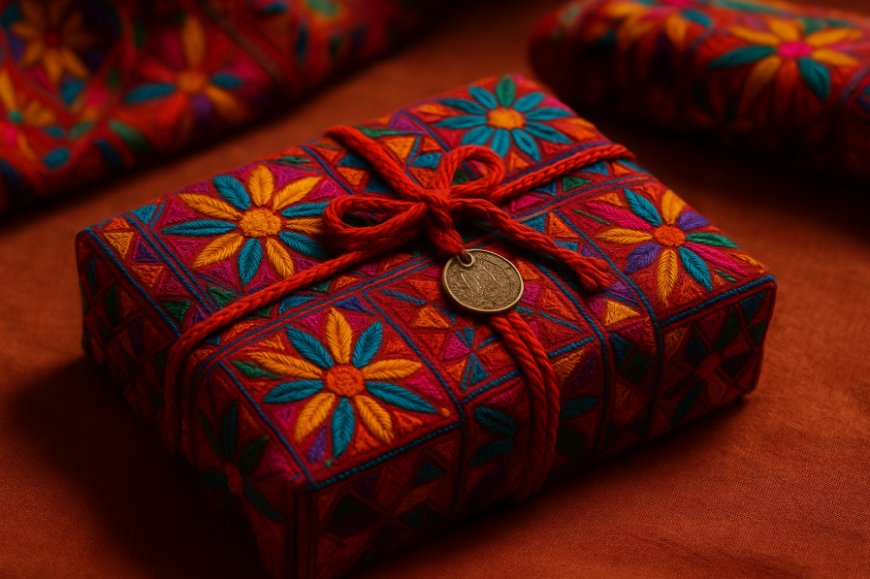
Phulkari represents far more than decorative embroidery; it embodies the profound Punjabi philosophy of "Chardi Kala" – rising spirits and eternal optimism – where every bright thread defies hardship, every bold pattern celebrates life's abundance, and every artistic gesture demonstrates the unbreakable Punjabi spirit that finds joy and beauty even in life's most challenging moments. This ancient art form, traditionally created by Punjabi women during moments stolen from farm work and household duties, transforms ordinary fabric into extraordinary expressions of love, hope, and cultural identity that connect contemporary celebrations to generations of strong women whose needlework preserved cultural heritage while expressing their deepest aspirations for family prosperity and happiness.
Contemporary couples are discovering that phulkari-inspired gift packaging offers the perfect synthesis of cultural authenticity, artistic magnificence, and emotional resonance, creating wedding presentations that honor Punjabi traditions while demonstrating to guests from all backgrounds the infectious joy and boundless creativity that characterizes Punjab's approach to celebration and life. Whether it's an intimate gathering of 125 guests or a grand celebration with 3,000 attendees, phulkari techniques can be adapted, scaled, and customized to create gift presentations that surpass contemporary alternatives in both visual impact and cultural meaning. In this comprehensive guide, we explore how couples are transforming their wedding presentations through authentic phulkari traditions, showcase the incredible diversity of patterns and color combinations available for modern celebrations, and connect you with Delhi's finest artisans who specialize in preserving this magnificent embroidery tradition while adapting it for contemporary wedding applications that prove cultural pride and artistic excellence are inseparable partners in celebration.
Cultural & Regional Significance
Historical Background
Punjabi phulkari traditions span over 1,000 years, deeply rooted in the resilient spirit of Punjab's agricultural communities where women created elaborate embroidered textiles that served as expressions of artistic skill, cultural identity, and emotional outlet during long winter evenings when farm work subsided. Ancient Punjabi folk songs describe phulkari as "phullan di bagh" – gardens of flowers – where mothers and daughters would gather around oil lamps, sharing stories and dreams while their needles brought vibrant life to simple cotton fabric. The tradition became a powerful medium for women's self-expression in a largely patriarchal society, allowing them to create beauty, document family history, and pass down cultural knowledge through textile narratives.
Traditional Punjabi wedding celebrations have always featured phulkari as essential ceremonial elements, from the elaborate bagh worn by brides to the colorful odhnis gifted to female relatives and the decorative textiles used to honor guests and present wedding gifts. Master phulkari embroiderers were revered within communities for their artistic skill and cultural knowledge, with their finest pieces becoming family heirlooms passed down through generations while their techniques were jealously guarded and transmitted through intimate mother-daughter relationships. The embroidery became synonymous with Punjabi cultural identity, representing the region's unique ability to find joy and create beauty regardless of external circumstances.
The contemporary revival of phulkari for wedding gift presentations represents both cultural renaissance and artistic celebration, as modern couples recognize that this vibrant tradition offers unmatched visual impact while supporting traditional artisan communities whose skills represent irreplaceable cultural treasures. This movement demonstrates how traditional crafts can find new applications in contemporary celebrations while maintaining their authentic character and cultural significance, creating bridges between past wisdom and present joy.
Regional Variations
Central Punjab Heartland: Amritsar, Patiala, and rural Punjab emphasize traditional phulkari centers with family workshops preserving techniques through maternal lineage, featuring classic patterns like thirma, leheriya, and geometric variations with traditional color combinations of orange, red, and yellow against white khadi backgrounds. These regions maintain the most authentic phulkari traditions with master embroiderers whose families have practiced the craft for generations.
Malwa Region Specializations: Southern Punjab areas including Bathinda, Mansa, and Faridkot contribute distinctive phulkari styles featuring bolder geometric patterns, cotton-based backgrounds, and unique color combinations reflecting agricultural abundance and local artistic preferences. Malwa phulkari often features larger-scale patterns suitable for contemporary gift packaging applications.
Majha Region Techniques: Northern Punjab including Gurdaspur, Pathankot, and border areas contribute phulkari variations influenced by Kashmiri and Himachali artistic traditions, featuring more intricate patterns, silk thread applications, and sophisticated color harmonies that reflect cultural exchange across mountainous regions.
Urban Adaptations: Contemporary Punjabi artisans in Chandigarh, Ludhiana, and Delhi are innovating traditional phulkari techniques with modern color palettes, contemporary pattern interpretations, and fusion applications while preserving authentic embroidery methods and cultural symbolism that honor traditional knowledge.
Diaspora Communities: Punjabi communities worldwide maintain phulkari traditions through cultural associations, international workshops, and global celebrations that preserve traditional knowledge while adapting techniques for international contexts and contemporary aesthetic preferences while maintaining cultural authenticity.
Modern Adaptations
Contemporary couples are revolutionizing phulkari applications through innovative design approaches, sustainable material sourcing, and international presentation standards while maintaining cultural authenticity and traditional embroidery excellence. Modern adaptations include organic cotton and silk thread applications, contemporary color palettes applied through traditional techniques, and sustainable production methods that support artisan communities while meeting environmental responsibility standards and international quality expectations.
Tech-enabled solutions include digital pattern libraries preserving traditional motifs, online platforms connecting couples with master phulkari artisans, and documentation systems recording traditional techniques for future generations while building global appreciation for Punjabi cultural heritage. Some couples create comprehensive phulkari programs extending beyond their weddings to include artisan support initiatives, cultural education projects, and international promotion of Punjabi artistic traditions.
Detailed Guide & Recommendations
Types & Varieties
Traditional Phulkari Patterns:
- Thirma and Geometric Designs: Traditional geometric patterns featuring interlocking diamonds, triangles, and agricultural motifs
- Leheriya Wave Patterns: Flowing wave-like designs representing Punjab's rivers and the rhythm of agricultural life
- Bagh and Garden Motifs: Elaborate floral patterns covering entire fabric surfaces with dense embroidery work
- Mor and Peacock Designs: Traditional peacock patterns symbolizing beauty, grace, and auspicious beginnings
Color Combination Traditions:
- Classical Punjab Palettes: Traditional orange, red, and yellow combinations on white khadi backgrounds
- Festival Color Applications: Vibrant multi-color combinations reflecting Punjabi celebration traditions and seasonal festivals
- Contemporary Fusion Colors: Modern color interpretations maintaining traditional embroidery techniques with contemporary aesthetic sensibilities
- Regional Color Variations: Different Punjab regions' distinctive color preferences and traditional combinations
Scale and Application Formats:
- Miniature Phulkari Applications: Small-scale embroidery perfect for gift bag accents and decorative elements
- Medium Format Presentations: Balanced designs suitable for substantial gift wrapping with optimal visual impact
- Large Scale Traditional Applications: Elaborate embroidery work suitable for premium gift presentations and cultural showcases
- Mixed Media Combinations: Phulkari embroidery combined with other traditional materials and contemporary presentation elements
Selection Criteria
Authenticity and Craftsmanship Standards:
- Master embroiderer skill authentication through traditional community recognition and artistic lineage verification
- Traditional technique adherence and cultural pattern appropriateness assessment with community validation
- Handwork quality evaluation and machine-made imitation identification through expert examination
- Thread quality assessment and color fastness verification ensuring long-term aesthetic preservation
- Cultural symbol accuracy and traditional motif appropriate usage with respectful application
Artistic Excellence and Visual Impact:
- Embroidery density and pattern consistency evaluation across multiple pieces and design elements
- Color harmony assessment and traditional palette authenticity with contemporary appeal consideration
- Design composition balance and visual effectiveness for gift packaging applications
- Thread quality and luster evaluation ensuring premium appearance and durability
- Overall artistic achievement and cultural representation accuracy with authentic character preservation
Practical Application Suitability:
- Gift packaging functionality and presentation effectiveness evaluation for wedding distribution requirements
- Durability assessment for handling and transportation during wedding logistics and guest interaction
- Size appropriateness for different gift types and packaging needs with versatile application potential
- Maintenance requirements and care instructions for recipient education and long-term preservation
- Cultural education potential and recipient appreciation opportunity integration with meaningful presentation
Presentation & Packaging Ideas
Traditional Punjabi Celebration Style:
- Authentic phulkari fabric gift bags with traditional thirma patterns and brass coin accents
- Hand-embroidered khadi wrapping cloths featuring leheriya wave patterns in festival colors
- Traditional bagh-style presentations with dense floral embroidery and ceremonial silk borders
- Cultural presentations combining phulkari textiles with traditional brass accessories and marigold decorations
Contemporary Fusion Applications:
- Modern color palettes applied through traditional embroidery techniques with sophisticated presentations
- Minimalist phulkari applications featuring selective pattern work with elegant contemporary aesthetics
- International fusion styles combining Punjabi embroidery with global design elements for multicultural celebrations
- Artistic collaborations featuring traditional techniques with contemporary pattern interpretations and modern functionality
Luxury Heritage Collections:
- Museum-quality phulkari featuring master embroiderer exclusive patterns and premium material applications
- Hand-embroidered silk presentations with gold thread accents and traditional cultural significance
- Artistic collaboration results between couples and renowned phulkari masters creating unique commemorative pieces
- Heritage collection presentations representing generations of embroidery refinement and cultural evolution
Top Delhi Vendors & Suppliers
Premium Category Vendors
1. Punjab Heritage Embroidery
- Location: A-23, Cottage Industries Exposition, Pragati Maidan, New Delhi - 110001
- USP: Master phulkari artisan partnerships, authentic Punjab traditions, museum-quality craftsmanship, cultural authenticity guarantee
- Specialization: Premium phulkari gift packaging, master artisan collaborations, traditional patterns, luxury heritage applications
- Rating: 4.9/5 stars based on customer reviews
- Contact Details:
- Phone: +91-9999888777
- WhatsApp: +91-9999888777
- Email: heritage@punjabembroidery.in
- Website: www.punjabheritageembroidery.com
- Social Media:
- Instagram: @punjab_heritage_embroidery
- Facebook: Punjab Heritage Embroidery
- YouTube: Traditional Phulkari Mastery
- Operating Hours: 10:00 AM - 7:00 PM (Monday to Saturday)
- Price Range: ₹200 - ₹3,000 per hand-embroidered package
- Minimum Order: 30 packages for master artisan collaboration projects
- Specialty: Master artisan documentation and traditional technique certification
2. Phulkari Luxury Studio
- Location: B-16, Defence Colony Market, New Delhi - 110024
- USP: Designer phulkari applications, luxury presentations, contemporary interpretations, international quality standards
- Specialization: Designer phulkari packaging, luxury applications, contemporary interpretations, premium artistic presentations
- Rating: 4.8/5 stars based on customer reviews
- Contact Details:
- Phone: +91-8888777666
- WhatsApp: +91-8888777666
- Email: luxury@phulkaristudio.co.in
- Website: www.phulkariluxurystudio.in
- Social Media:
- Instagram: @phulkari_luxury_studio
- Facebook: Phulkari Luxury Studio
- Operating Hours: 9:00 AM - 8:00 PM (All days)
- Price Range: ₹150 - ₹2,500 per designer phulkari application
- Delivery: Climate-controlled delivery with embroidery technique documentation
- Customization: Designer collaboration services and contemporary pattern development
Mid-Range Category Vendors
3. Traditional Punjab Arts
- Location: C-36, Lajpat Nagar Central Market, New Delhi - 110024
- USP: Quality-price balance, reliable traditional techniques, efficient production, comprehensive cultural services
- Specialization: Practical phulkari applications, wedding bulk solutions, reliable traditional embroidery, cost-effective cultural presentations
- Rating: 4.6/5 stars based on customer reviews
- Contact Details:
- Phone: +91-7777666555
- WhatsApp: +91-7777666555
- Email: traditional@punjabarts.in
- Website: www.traditionalpunjabarts.com
- Social Media:
- Instagram: @traditional_punjab_arts
- Facebook: Traditional Punjab Arts Delhi
- Operating Hours: 8:00 AM - 9:00 PM (All days)
- Price Range: ₹50 - ₹1,200 per traditional phulkari piece
- Minimum Order: 50 pieces for wedding bulk pricing and production rates
- Specialty: Same-day consultation and rapid traditional production services
4. Punjab Cultural Collective
- Location: D-25, Karol Bagh Market, New Delhi - 110005
- USP: Cultural community support, artisan development, traditional preservation mission, fair practice commitment
- Specialization: Community-supported phulkari, cultural education programs, artisan development, traditional preservation initiatives
- Rating: 4.5/5 stars based on customer reviews
- Contact Details:
- Phone: +91-6666555444
- WhatsApp: +91-6666555444
- Email: collective@punjabculture.org
- Website: www.punjabculturalcollective.in
- Social Media:
- Instagram: @punjab_cultural_collective
- Facebook: Punjab Cultural Collective
- Operating Hours: 10:00 AM - 7:00 PM (Monday to Saturday)
- Price Range: ₹75 - ₹1,500 per community-supported piece
- Delivery: Cultural community documentation with artisan impact reporting
- Specialty: Phulkari workshops and traditional technique education programs
Budget-Friendly Options
5. Phulkari Art Bazaar
- Location: Main Market, Sarojini Nagar, New Delhi - 110023
- USP: Affordable phulkari options, community workshops, accessible pricing, traditional technique sharing
- Specialization: Budget phulkari applications, community workshops, basic techniques, economical cultural solutions
- Rating: 4.3/5 stars based on customer reviews
- Contact Details:
- Phone: +91-5555444333
- WhatsApp: +91-5555444333
- Email: bazaar@phulkariart.org
- Operating Hours: 9:00 AM - 8:00 PM (All days)
- Price Range: ₹25 - ₹400 per basic phulkari piece
- Specialty: Community technique sharing and maximum affordability focus
- Location Advantage: Central location with community phulkari learning facilities
6. DIY Punjab Craft Workshop
- Location: Sector 18, Noida - 201301 (serves Delhi NCR)
- USP: Self-service phulkari facilities, skill development, family participation, traditional learning experiences
- Specialization: DIY phulkari workshops, skill development, family learning, traditional technique instruction
- Rating: 4.4/5 stars based on customer reviews
- Contact Details:
- Phone: +91-4444333222
- WhatsApp: +91-4444333222
- Email: diy@punjabcraftworkshop.in
- Operating Hours: 10:00 AM - 6:00 PM (Tuesday to Sunday)
- Price Range: ₹20 - ₹300 per self-created piece (materials and instruction included)
- Delivery: Workshop completion certificates and traditional technique documentation
- Specialty: Family participation workshops and lifetime phulkari skill development
Online/Hybrid Vendors
7. PhulkariWedding.in (Online + Cultural Centers)
- Location: Online platform with cultural centers in Select City Walk and DLF Malls
- USP: Online phulkari coordination, virtual technique tutorials, master artisan connections, cultural education integration
- Specialization: Online phulkari services, virtual workshops, artisan networks, cultural education programs
- Rating: 4.7/5 stars based on customer reviews
- Contact Details:
- Phone: +91-9876543210
- WhatsApp: +91-9876543210
- Email: hello@phulkariwedding.in
- Website: www.phulkariwedding.in
- Mobile App: Available on iOS and Android
- Social Media:
- Instagram: @phulkari_wedding_in
- Facebook: PhulkariWedding.in
- YouTube: Phulkari Technique Tutorials
- Operating Hours: 24/7 online, cultural centers 11 AM - 9 PM
- Price Range: ₹40 - ₹1,800 per online-coordinated piece
- Delivery: National artisan network with technique documentation
- Innovation: Virtual phulkari workshops and cultural education platforms
8. Punjab Heritage Online
- Location: Online platform with Delhi artisan studios and cultural preservation centers
- USP: Cultural heritage preservation, artisan storytelling, traditional knowledge documentation, global Punjab culture promotion
- Specialization: Heritage preservation, cultural documentation, artisan storytelling, global Punjab tradition promotion
- Rating: 4.8/5 stars based on customer reviews
- Contact Details:
- Phone: Available through website and app
- WhatsApp: +91-8765432109
- Email: support@punjabheritage.com
- Website: www.punjabheritageonline.in
- Social Media:
- Instagram: @punjab_heritage_online
- Facebook: Punjab Heritage Online
- YouTube: Punjab Cultural Heritage
- Operating Hours: 24/7 online platform with artisan studio coordination
- Price Range: ₹60 - ₹2,200 per heritage-documented piece
- Delivery: Global shipping with cultural significance documentation
- Innovation: Digital heritage preservation and global Punjab tradition networks
Comparison Table
| Vendor | Location | Price Range | Rating | Specialization | Delivery |
| Punjab Heritage | Pragati Maidan | ₹200-3,000 | 4.9/5 | Master artisan | Technique certification |
| Phulkari Luxury | Defence Colony | ₹150-2,500 | 4.8/5 | Designer applications | Climate-controlled |
| Traditional Punjab | Lajpat Nagar | ₹50-1,200 | 4.6/5 | Quality-price balance | Same-day consultation |
| Punjab Collective | Karol Bagh | ₹75-1,500 | 4.5/5 | Community support | Impact reporting |
| Phulkari Bazaar | Sarojini Nagar | ₹25-400 | 4.3/5 | Budget community | Community facilities |
| DIY Workshop | Noida | ₹20-300 | 4.4/5 | Self-creation | Workshop certificates |
| PhulkariWedding.in | Online + Centers | ₹40-1,800 | 4.7/5 | Cultural education | National network |
| Punjab Heritage | Online + Studios | ₹60-2,200 | 4.8/5 | Heritage preservation | Global shipping |
Expert Tips & Best Practices
Planning Timeline
4-5 Months Before Wedding: Begin researching authentic phulkari artisans and traditional pattern significance, establish relationships with master embroiderers, and start learning about cultural meanings and appropriate applications. This timeline allows for understanding traditional motifs, sourcing quality materials, and coordinating with artisan schedules for hand-embroidered work that requires significant time investment.
8-10 Weeks Before: Finalize phulkari designs, complete material sourcing, and begin the intricate hand-embroidery process that requires substantial time and artistic skill. Traditional phulkari embroidery cannot be rushed without compromising quality, and master artisans often work in family groups to maintain quality standards across larger wedding orders.
6-8 Weeks Before: Complete all embroidery work, conduct quality assessments, and arrange proper handling procedures for delicate hand-embroidered pieces. Allow adequate time for final finishing, quality control, and any necessary adjustments to ensure consistent artistic results across large quantities while maintaining traditional authenticity.
Buffer Planning: Maintain 20-25% extra materials as hand-embroidered phulkari processes may have natural variations, and allow extra time for traditional techniques that cannot be accelerated without compromising the authentic character and artistic quality that defines genuine phulkari work.
Quality Assurance
Artisan Skill Authentication: Establish relationships with authentic phulkari embroiderers through Punjabi cultural communities, traditional family lineage verification, and master artisan recommendations. Verify traditional technique knowledge and cultural pattern authenticity through expert consultation and community validation within established Punjabi artistic circles.
Traditional Pattern and Color Verification: Learn to identify authentic phulkari motifs and their cultural significance through study of traditional sources, consultation with cultural experts, and understanding of appropriate ceremonial applications. Ensure respectful use of traditional patterns and color combinations that honor Punjabi cultural heritage while meeting contemporary aesthetic expectations.
Embroidery Quality Standards: Establish criteria for stitch quality, pattern consistency, thread density, and overall artistic excellence while respecting the natural variations inherent in handcrafted work. Document successful embroidery approaches, color combinations, and traditional techniques for consistency across larger wedding orders while maintaining artistic authenticity.
Budget Optimization
Artisan Direct Relationships: Establish direct connections with phulkari embroiderers through Punjabi cultural organizations, community networks, and traditional artisan families to maximize artisan benefit while accessing authentic techniques. Many traditional practitioners offer better rates for meaningful cultural applications while ensuring embroidery authenticity and community support.
Pattern Complexity Management: Balance intricate master-level embroidery for special presentations with simpler traditional patterns for broader distribution. Focus premium budget on showcase pieces featuring elaborate traditional work while using beautiful but less complex patterns for general gift presentation applications that still honor cultural heritage.
Community Workshop Integration: Participate in phulkari workshops to learn basic embroidery techniques while supporting community cultural education programs. This approach reduces costs while building cultural understanding and artistic appreciation that enhances the wedding's cultural authenticity and personal connection to Punjabi traditions.
Customer Reviews & Testimonials
Meera and Rajesh Gupta (Punjabi heritage, Delhi wedding): "Punjab Heritage Embroidery connected us with a master phulkari artisan whose family has embroidered for Punjabi royalty for generations. The hand-embroidered thirma patterns in traditional festival colors created gift packaging that honored our Punjabi heritage while educating guests about our cultural traditions. Each piece carried artistic excellence and cultural significance that made every gift presentation a celebration of Punjabi spirit and artistic heritage."
Priya and Karthik Nair (Delhi): "Phulkari Luxury Studio adapted traditional embroidery motifs for contemporary wedding aesthetics while maintaining cultural authenticity. The designer approach created beautiful fusion presentations that appealed to our diverse guest list while preserving traditional artistic excellence and Punjabi cultural character. The embroidery quality exceeded our expectations while supporting authentic cultural practices."
Anjali and Rohit Sharma (Mumbai): "PhulkariWedding.in's online platform facilitated Delhi artisan coordination from Mumbai while providing cultural education through virtual workshops. Learning about phulkari significance and traditional meanings enhanced our appreciation for Punjabi culture, and the embroidery documentation became treasured parts of our wedding memories and cultural education."
Kavya and Suresh Jain (Bangalore): "DIY Punjab Craft Workshop's family programs created bonding experiences while learning traditional embroidery techniques. Three generations participated in creating phulkari-inspired gift wrapping, with elders sharing cultural knowledge while younger family members contributed contemporary design ideas. The embroidery skill-building meant we learned lifetime techniques while creating meaningful wedding elements that honored Punjabi heritage."
Frequently Asked Questions (FAQs)
Q1: What is the cultural significance of different phulkari patterns and colors for wedding applications? A: Traditional wedding phulkari features auspicious patterns like thirma (geometric designs representing agricultural abundance), leheriya (wave patterns symbolizing life's flow), and mor (peacock motifs representing beauty and grace). Traditional colors include orange and red (representing prosperity and fertility), yellow (symbolizing new beginnings), and white backgrounds (representing purity). Each pattern carries specific cultural meanings that enhance wedding celebrations with appropriate blessings.
Q2: How do I distinguish authentic hand-embroidered phulkari from machine-made imitations? A: Authentic phulkari shows natural stitch variations, slight irregularities that reflect human artistry, and traditional thread textures. Hand-embroidered pieces have organic pattern flow, subtle imperfections that machine embroidery cannot replicate, and authentic material combinations of khadi cotton with silk threads. The reverse side typically shows traditional knot work and technique markers that identify genuine handcraft.
Q3: What traditional materials are used in authentic phulkari embroidery for gift packaging? A: Traditional phulkari uses handwoven khadi cotton as the base fabric, silk threads (pat) for embroidery work, and sometimes cotton threads for specific patterns. Authentic pieces avoid synthetic materials and use natural dyes when possible. The traditional combination of coarse khadi with lustrous silk threads creates the characteristic texture and visual appeal that defines genuine phulkari work.
Q4: How long does hand-embroidered phulkari work take for wedding quantities? A: Hand-embroidered phulkari requires significant time investment – simple patterns need 2-3 weeks for medium quantities (80-120 pieces), while elaborate traditional patterns can require 6-10 weeks. Each piece may take 4-12 hours depending on complexity and size. Master embroiderers often work in family groups to manage larger orders while maintaining artistic quality and traditional technique standards.
Q5: Can phulkari patterns be adapted for non-Punjabi weddings while maintaining cultural respect? A: Yes, when approached with proper understanding and respect. Learn about pattern meanings, work with authentic Punjabi artisans who can provide cultural context, and acknowledge Punjabi heritage in your presentations. Include information about phulkari's cultural significance for guest education, and ensure appropriate pattern choices that respect traditional meanings while honoring the embroidery tradition and artisan communities.
Q6: What care instructions should be provided for phulkari gift packaging? A: Include care cards explaining that phulkari work should be handled gently to preserve embroidery details, stored away from direct sunlight to prevent thread fading, and treated as textile art rather than disposable wrapping. Many recipients frame phulkari pieces as artwork or preserve them as cultural keepsakes. Provide suggestions for preservation and cultural significance information to enhance appreciation.
Q7: How do phulkari costs compare to conventional and other traditional gift packaging options? A: Authentic hand-embroidered phulkari typically costs 300-600% more than conventional wrapping due to skilled labor requirements and time-intensive creation, but provides exceptional value through cultural significance, artistic quality, and uniqueness. Simple patterns cost less than elaborate traditional masterworks. When considering recipient appreciation and cultural education value, phulkari often provides superior total value despite higher initial investment.
Q8: What seasonal considerations affect phulkari creation and embroidery quality? A: Traditional phulkari embroidery was historically done during winter months when farm work subsided, though skilled artisans can work year-round. Thread quality and color fastness can be affected by humidity and temperature during storage. Plan embroidery timing around artisan availability and optimal working conditions for best artistic results while respecting traditional seasonal patterns when possible.
Q9: Can contemporary design elements be integrated with traditional phulkari patterns? A: Yes, skilled embroiderers can adapt traditional motifs with contemporary color palettes, modern composition approaches, and fusion design elements while preserving authentic embroidery techniques and cultural significance. The key is maintaining traditional stitching methods while allowing creative interpretation that respects both heritage and contemporary aesthetic preferences.
Q10: What long-term impact do phulkari wedding commissions have on Punjabi cultural preservation? A: Wedding commissions provide crucial support for traditional phulkari embroiderers, often accounting for significant portions of their income while creating platforms for cultural education and artistic preservation. Beyond economic benefit, wedding appreciation helps maintain traditional techniques and creates cultural awareness among diverse communities, supporting transmission of Punjabi artistic heritage to future generations through increased visibility and appreciation.
Conclusion
Punjabi phulkari-inspired gift packaging represents the perfect synthesis of cultural pride, artistic excellence, and joyful celebration, transforming ordinary wedding presentations into extraordinary expressions of Punjabi heritage that honor both the tradition's magnificent history and the skilled embroiderers whose techniques connect contemporary celebrations to generations of strong women who found beauty and expression through their needlework. These hand-embroidered creations carry within their colorful threads the stories of resilient communities, the optimism of "Chardi Kala" spirit, and the hope of artisan families whose cultural identity depends on preserving this irreplaceable embroidery treasure for future generations.
The phulkari movement proves that weddings can be platforms for cultural celebration, that artistic choices can support both tradition preservation and community prosperity, and that the most beautiful presentations often emerge from techniques that embody the optimistic spirit and creative energy that characterize Punjab's approach to life and celebration. Each phulkari wedding gift becomes a seed of cultural joy, planted in recipients' consciousness and growing into lasting appreciation of Punjabi artistic heritage and the vibrant spirit that continues to inspire communities worldwide.
Visit WeddingGifts.com.in to explore our curated network of authentic phulkari artisans and Punjabi cultural specialists who can help transform your wedding gift packaging into meaningful celebrations of traditional embroidery while creating presentations that prove cultural pride and artistic heritage create the most beautiful and emotionally resonant wedding elements that honor both celebration and the incredible creative spirit of Punjabi phulkari traditions.
What's Your Reaction?
 Like
0
Like
0
 Dislike
0
Dislike
0
 Love
0
Love
0
 Funny
0
Funny
0
 Angry
0
Angry
0
 Sad
0
Sad
0
 Wow
0
Wow
0


