

























Dry Fruit Tokris: Royal Wedding Gifts Inspired by Mughal Traditions
Discover royal dry fruit tokris inspired by Mughal traditions for elegant wedding gifts. Explore premium collections featuring Afghan almonds, Iranian pistachios, and traditional presentations from Delhi's finest vendors.

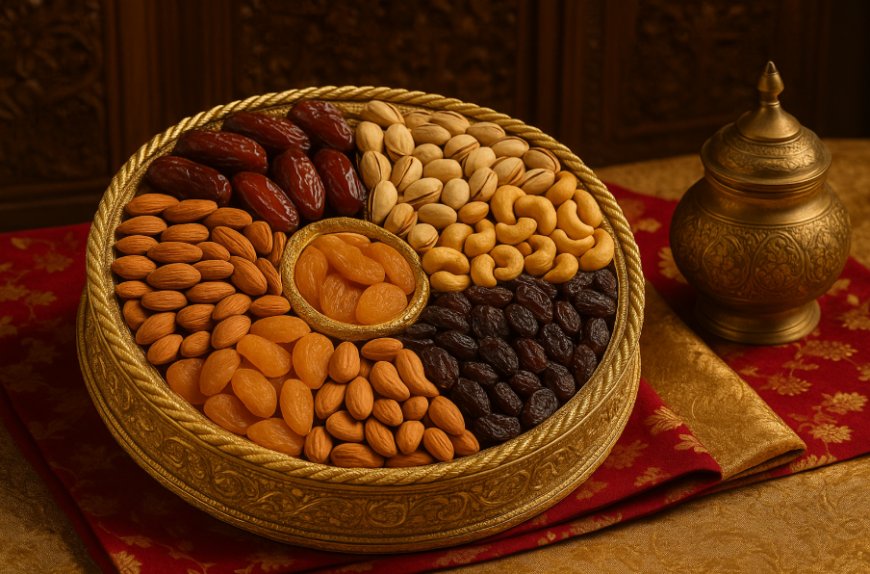
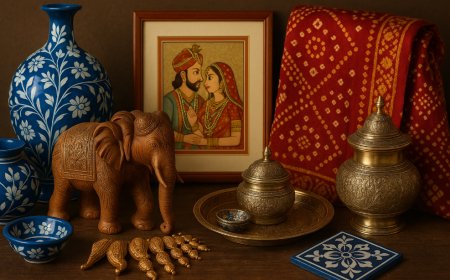
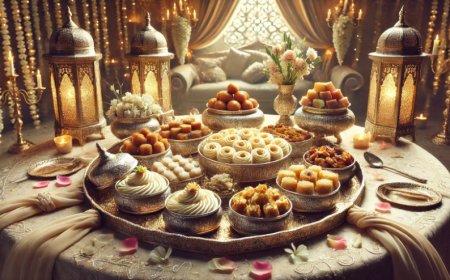
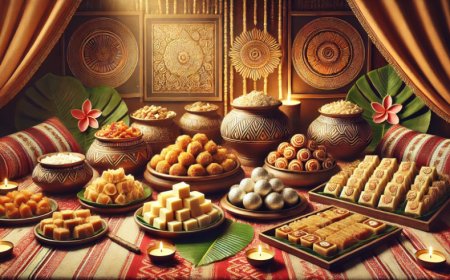
When the majestic sound of tabla and shehnai fills the air, and the golden glow of oil lamps illuminates ornate courtyards draped in rich brocades and silks, you witness the grandeur of Indian weddings that echo the splendor of Mughal courts. These magnificent celebrations, steeped in royal traditions and refined aesthetics, naturally showcase the ancient practice of presenting tokris filled with the finest dry fruits and nuts – a custom that symbolizes prosperity, abundance, and imperial blessings. From the elaborate gift exchanges between royal families to the ceremonial presentations that marked auspicious occasions, dry fruit tokris have long represented the pinnacle of wedding gift sophistication.
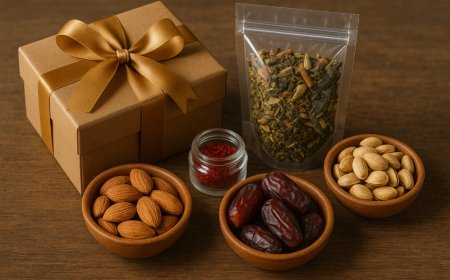
For couples and families seeking to honor the regal heritage of Indian wedding traditions while presenting gifts of lasting value and nutritional benefit, dry fruit tokris inspired by Mughal customs represent the perfect synthesis of luxury, health, and cultural significance. These exquisitely crafted baskets, filled with premium almonds, cashews, pistachios, dates, and exotic dried fruits, echo the opulent gift-giving traditions of Mughal emperors while providing modern couples with wholesome treasures that support their health and wellbeing. Each carefully assembled tokri tells stories of royal courts, ancient trade routes, and the sophisticated palate of Mughal cuisine that elevated dry fruits to symbols of prosperity and refined taste. In this comprehensive guide, we explore the art of presenting royal dry fruit tokris and introduce you to Delhi's most prestigious vendors who understand the heritage, quality standards, and presentation excellence that make these gifts truly memorable.
Cultural & Regional Significance
Historical Background
The tradition of presenting dry fruit tokris during auspicious occasions traces its origins to the Mughal Empire (1526-1857), where emperors like Akbar, Shah Jahan, and Aurangzeb established elaborate gift-giving protocols that emphasized luxury, rarity, and symbolic meaning. Mughal courts received precious dry fruits and nuts from distant regions – Afghan almonds, Kashmiri walnuts, Iranian pistachios, and Arabian dates – making these items symbols of imperial wealth and international influence. The practice of presenting these treasures in ornate tokris (woven baskets) became integral to royal wedding ceremonies, diplomatic exchanges, and religious celebrations.
The Mughal emperors' appreciation for dry fruits extended beyond their economic value to encompass their Ayurvedic properties and culinary applications. Court physicians prescribed specific combinations of nuts and dried fruits for health, longevity, and fertility – making them particularly appropriate for wedding gifts that blessed couples with prosperity and wellbeing. The imperial kitchens elevated dry fruit preparation to an art form, creating elaborate presentations that combined aesthetic beauty with nutritional wisdom.
The influence of Mughal gift-giving traditions spread throughout the Indian subcontinent, with regional courts and wealthy families adopting similar practices. The British colonial period further enhanced the prestige of dry fruit tokris as symbols of Indian hospitality and cultural refinement, while post-independence India has continued these traditions in contemporary wedding celebrations that honor heritage while embracing modern health consciousness.
Regional Variations and Royal Traditions
North Indian Mughal Heritage: Delhi, Agra, and Lucknow regions maintain the strongest connections to Mughal tokri traditions, featuring elaborate presentations with Afghan almonds, Kashmiri walnuts, and Iranian pistachios. North Indian tokris often include royal dry fruit preparations like kaju katli, dry fruit laddu, and traditional murabba (preserves). The presentation style emphasizes opulence with gold leaf, silk wrapping, and ornate containers that reflect Mughal aesthetic preferences.
Rajasthani Royal Adaptations: The princely states of Rajasthan developed their own interpretations of dry fruit tokri traditions, incorporating local specialties like sangri, ker, and regional sweets alongside premium nuts. Rajasthani tokris often feature mirror work, traditional embroidery, and silver accents that reflect the region's royal heritage and artistic traditions.
Hyderabadi Nizami Influence: The Deccan region, particularly Hyderabad, blended Mughal traditions with local customs, creating tokris that include regional specialties like khubani (dried apricots), dates, and local dry fruit preparations. Hyderabadi presentations often emphasize Persian influences with rosewater-scented preparations and elegant Islamic geometric patterns.
Punjabi Sikh Royal Courts: The Sikh maharajas adapted Mughal tokri traditions while incorporating regional preferences for robust, nutritious combinations. Punjabi tokris often feature larger quantities, practical presentations, and emphasis on energy-providing nuts and dried fruits suitable for the region's agricultural lifestyle.
Bengali Zamindar Traditions: Bengali wealthy families created their own versions featuring regional specialties like khajur (dates), coconut preparations, and traditional sweets alongside standard dry fruits. Bengali tokris often include cultural elements like conch shells, traditional cloths, and regional artistic motifs.
Modern Adaptations and Contemporary Trends
Contemporary Indian families are revitalizing traditional dry fruit tokri customs while incorporating modern health consciousness, sustainable practices, and international quality standards. Modern tokris often feature organic and pesticide-free dry fruits, fair-trade certifications, and eco-friendly packaging that reflects environmental awareness while maintaining traditional elegance. Health-focused presentations include superfoods like goji berries, chia seeds, and exotic nuts alongside traditional favorites.
Technology integration has transformed tokri presentations with QR codes linking to nutritional information, sourcing details, and traditional preparation methods. Social media-optimized packaging ensures tokris create Instagram-worthy moments while providing practical nutritional benefits for daily consumption. Modern appreciation for global cuisine has also led to fusion tokris that include international dry fruits and nuts alongside traditional Indian varieties.
Destination weddings have necessitated portable tokri solutions that maintain freshness during international travel while showcasing Indian heritage for global audiences. This has driven innovations in packaging technology, preservation methods, and presentation techniques that ensure optimal quality regardless of climate or transport conditions.
Detailed Guide & Recommendations
Essential Components of Royal Dry Fruit Tokris
Premium Nuts and Tree Fruits:
- Afghan Almonds (Mamra): Premium quality almonds with superior taste and nutritional value, symbol of prosperity
- Kashmiri Walnuts: High-quality walnuts known for brain health benefits and traditional significance
- Iranian Pistachios: Finest quality pistachios with rich flavor and royal heritage connections
- California Cashews (Jumbo): Large, premium cashews representing abundance and luxury
- Brazilian Pine Nuts: Exotic nuts that add international sophistication to traditional collections
Traditional Dried Fruits:
- Medjool Dates: Premium dates known as "king of dates" with royal associations and health benefits
- Turkish Apricots: Soft, naturally sweet dried apricots with vibrant color and rich flavor
- Afghani Raisins: Large, seedless raisins with traditional significance and natural sweetness
- Dried Figs (Anjeer): High-quality figs with medicinal properties and royal court associations
- Iranian Prunes: Premium dried plums with traditional Persian connections
Exotic and Specialty Items:
- Saffron-coated Almonds: Luxury preparation combining two royal ingredients
- Rose Petal Preserve: Traditional Mughal delicacy with romantic symbolism
- Honey-glazed Walnuts: Premium preparation that enhances natural flavors
- Silver-leafed Cashews: Decorative preparation that adds visual opulence
- Traditional Murabba: Preserved fruits in royal syrup preparations
Contemporary Health Additions:
- Organic Goji Berries: Superfood additions that appeal to health-conscious couples
- Raw Cacao Nibs: Premium chocolate alternative with antioxidant benefits
- Himalayan Mulberries: High-altitude dried fruits with unique nutritional profiles
- Activated Nuts: Soaked and dried nuts with enhanced digestibility
- Superfood Trail Mixes: Contemporary combinations with traditional base ingredients
Selection Criteria for Premium Tokris
Quality Assessment Standards:
- Source Verification: Ensure nuts and dried fruits come from premium growing regions with authenticity certificates
- Freshness Indicators: Recent processing dates, proper moisture content, and optimal color and texture
- Size and Grade Classification: Premium grades (jumbo, extra-large) for gifting purposes
- Organic Certification: Certified organic options for health-conscious recipients
- Processing Standards: Minimal processing to preserve natural flavors and nutritional value
Cultural Authenticity Factors:
- Traditional Combinations: Historically accurate combinations that reflect Mughal preferences
- Seasonal Appropriateness: Include items suitable for wedding season and regional climate
- Religious Compliance: Ensure all ingredients meet dietary restrictions and religious requirements
- Symbolic Significance: Include items with traditional meanings of prosperity, fertility, and happiness
- Regional Preferences: Consider both families' geographic origins and cultural preferences
Presentation Excellence Standards:
- Container Quality: Premium tokri craftsmanship with traditional or contemporary designs
- Arrangement Aesthetics: Professional presentation that showcases contents beautifully
- Preservation Packaging: Individual wrapping that maintains freshness while allowing display
- Cultural Documentation: Include information about historical significance and nutritional benefits
- Gift Presentation: Elegant wrapping and presentation suitable for formal wedding ceremonies
Themed Tokri Concepts and Royal Collections
"Emperor's Treasury Collection": Recreate historical Mughal court presentations with the finest international dry fruits, traditional preparations, and authentic royal presentation styles. Include historical documentation about Mughal court traditions and royal recipes.
"Health and Prosperity Hamper": Focus on Ayurvedic combinations that support health, fertility, and longevity while maintaining traditional presentation excellence. Perfect for health-conscious couples who appreciate cultural heritage.
"Regional Royal Heritage": Showcase different royal traditions from various Indian regions, allowing recipients to experience diverse cultural approaches to dry fruit appreciation while honoring local preferences.
"Modern Maharaja Collection": Contemporary interpretations that combine traditional elements with modern superfoods, international varieties, and innovative presentations suitable for globally-minded couples.
Traditional Tokri Designs and Presentation Styles
Handwoven Cane Tokris: Traditional basket weaving techniques using natural cane with intricate patterns that reflect regional craftsmanship. These breathable containers are ideal for maintaining dry fruit freshness while providing authentic aesthetic appeal.
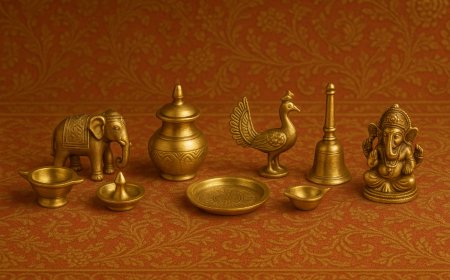
Brass and Copper Containers: Metal containers that echo Mughal court aesthetics while providing durable storage solutions. Often featuring embossed designs, traditional motifs, and food-safe finishes suitable for long-term use.
Silk-lined Wooden Boxes: Contemporary interpretations using premium wood with traditional silk lining, combining durability with elegant presentation suitable for modern homes while honoring traditional aesthetics.
Silver-plated Presentations: Luxury options featuring silver-plated containers with traditional engravings, representing the pinnacle of gift presentation for premium wedding celebrations and close family exchanges.
Top Delhi Vendors & Suppliers
Premium Category Vendors
1. Royal Dry Fruits Emporium
- Location: Chandni Chowk, Khari Baoli, New Delhi - 110006
- USP: 150+ years heritage, direct sourcing from premium growing regions, royal family supplier credentials
- Specialization: Premium international dry fruits, traditional Mughal preparations, custom royal tokris
- Rating: 4.9/5 stars based on customer reviews
- Contact Details:
- Phone: +91-11-23968456
- WhatsApp: +91-9810456789
- Email: info@royaldryfruits.com
- Website: www.royaldryfruits.com
- Social Media:
- Instagram: @royal_dry_fruits_emporium
- Facebook: Royal Dry Fruits Emporium
- Operating Hours: 9:00 AM - 8:00 PM (All days)
- Price Range: ₹5,000 - ₹50,000 per tokri
- Specialty: Historical Mughal recipe recreations and authentic royal presentations
2. Heritage Nuts & Dry Fruits
- Location: Defence Colony Market, New Delhi - 110024
- USP: Premium quality guarantee, international sourcing expertise, luxury presentation specialists
- Specialization: Organic dry fruits, exotic international varieties, custom tokri designs
- Rating: 4.8/5 stars based on customer reviews
- Contact Details:
- Phone: +91-11-24567890
- WhatsApp: +91-9876456789
- Email: orders@heritagenuts.com
- Website: www.heritagenuts.com
- Social Media:
- Instagram: @heritage_nuts_delhi
- Facebook: Heritage Nuts & Dry Fruits
- Operating Hours: 10:00 AM - 8:30 PM (All days)
- Price Range: ₹3,500 - ₹35,000 per tokri
- Delivery: Premium packaging with climate-controlled delivery across India
Mid-Range Category Vendors
3. Mughal Dry Fruit Palace
- Location: Khan Market, New Delhi - 110003
- USP: Traditional Mughal-inspired presentations, competitive premium pricing, wedding specialists
- Specialization: Themed royal collections, traditional tokri designs, bulk wedding orders
- Rating: 4.6/5 stars based on customer reviews
- Contact Details:
- Phone: +91-11-24678901
- WhatsApp: +91-8765456789
- Email: mughalpalace@gmail.com
- Social Media:
- Instagram: @mughal_dry_fruit_palace
- Facebook: Mughal Dry Fruit Palace
- Operating Hours: 10:00 AM - 7:30 PM (Monday to Saturday)
- Price Range: ₹2,000 - ₹15,000 per tokri
- Minimum Order: ₹25,000 for bulk wedding discounts and custom designs
4. Nawabi Nuts Collection
- Location: South Extension Part 1, New Delhi - 110049
- USP: Royal heritage recipes, affordable luxury options, cultural authenticity focus
- Specialization: Traditional preparations, regional specialties, elegant presentations
- Rating: 4.5/5 stars based on customer reviews
- Contact Details:
- Phone: +91-11-24789012
- WhatsApp: +91-7654456789
- Email: info@nawabinuts.com
- Social Media:
- Instagram: @nawabi_nuts_collection
- Facebook: Nawabi Nuts Collection
- Operating Hours: 10:30 AM - 7:00 PM (Monday to Saturday)
- Price Range: ₹1,500 - ₹12,000 per tokri
- Delivery: Delhi NCR same-day delivery with traditional presentation
Budget-Friendly Options
5. Delhi Dry Fruit Bazaar
- Location: Lajpat Nagar Central Market, New Delhi - 110024
- USP: Wholesale pricing for wedding purchases, variety of basic tokri options, student-friendly rates
- Specialization: Standard dry fruit combinations, simple traditional presentations, bulk orders
- Rating: 4.3/5 stars based on customer reviews
- Contact Details:
- Phone: +91-11-29567890
- WhatsApp: +91-9345456789
- Email: delhidryfruitbazaar@yahoo.com
- Operating Hours: 10:00 AM - 8:00 PM (Closed Sundays)
- Price Range: ₹1,000 - ₹5,000 per tokri
- Specialty: Best for bulk wedding purchases and basic royal-inspired presentations
6. Traditional Tokri House
- Location: Karol Bagh Market, New Delhi - 110005
- USP: Old Delhi market experience, negotiable prices, authentic tokri craftsmanship
- Specialization: Handwoven tokris, basic dry fruit combinations, traditional market atmosphere
- Rating: 4.2/5 stars based on customer reviews
- Contact Details:
- Phone: +91-11-25678901
- WhatsApp: +91-8901456789
- Email: traditionaltokri@gmail.com
- Operating Hours: 10:30 AM - 8:30 PM (All days except Monday)
- Price Range: ₹800 - ₹4,000 per tokri
- Location Advantage: Heart of traditional Delhi market with authentic craftsmanship
Online/Hybrid Vendors
7. RoyalTokris.com (Online + Delhi Showroom)
- Location: Online platform with Delhi consultation facility
- USP: Nationwide delivery specialists, virtual tokri customization, historical documentation included
- Specialization: Custom royal collections, international shipping, virtual consultation services
- Rating: 4.7/5 stars based on customer reviews
- Contact Details:
- Phone: Available on website
- WhatsApp: Available on website
- Email: support@royaltokris.com
- Website: www.royaltokris.com
- Social Media:
- Instagram: @royal_tokris_com
- Facebook: RoyalTokris.com
- Operating Hours: 24/7 online ordering, showroom visits by appointment
- Price Range: ₹2,500 - ₹25,000 per tokri
- Delivery: Express shipping nationwide, international delivery with climate control
8. Imperial Dry Fruits Online
- Location: Online platform with Delhi pickup facility
- USP: "From Royal Courts to Your Home" - historical authenticity with modern convenience
- Specialization: Mughal recipe recreations, premium sourcing documentation, cultural education materials
- Rating: 4.8/5 stars based on customer reviews
- Contact Details:
- Website: www.imperialdryfruits.com
- Email: info@imperialdryfruits.com
- Operating Hours: 24/7 online ordering
- Price Range: ₹3,000 - ₹30,000 per tokri
- Specialty: Detailed historical documentation and royal recipe cards with each purchase
Comparison Table
| Vendor | Location | Price Range | Rating | Specialization | Delivery |
| Royal Dry Fruits Emporium | Chandni Chowk | ₹5,000-50,000 | 4.9/5 | Historical authenticity | Premium |
| Heritage Nuts & Dry Fruits | Defence Colony | ₹3,500-35,000 | 4.8/5 | International sourcing | Climate-controlled |
| Mughal Dry Fruit Palace | Khan Market | ₹2,000-15,000 | 4.6/5 | Themed collections | Yes |
| Nawabi Nuts Collection | South Extension | ₹1,500-12,000 | 4.5/5 | Regional specialties | Same-day Delhi |
| Delhi Dry Fruit Bazaar | Lajpat Nagar | ₹1,000-5,000 | 4.3/5 | Bulk orders | Limited |
| Traditional Tokri House | Karol Bagh | ₹800-4,000 | 4.2/5 | Handwoven tokris | Limited |
| RoyalTokris.com | Online + Showroom | ₹2,500-25,000 | 4.7/5 | Virtual customization | Nationwide |
| Imperial Dry Fruits Online | Online | ₹3,000-30,000 | 4.8/5 | Historical documentation | International |
Expert Tips & Best Practices
Planning Timeline for Royal Tokri Gifts
4-6 Months Before Wedding: Begin researching premium dry fruit sources and understanding historical Mughal presentations. Royal tokris require careful sourcing of premium ingredients, especially international varieties that may have seasonal availability. Schedule tastings with specialized vendors to understand quality differences and authentic preparation methods.
3-4 Months Before: Finalize tokri themes and place orders for premium ingredients and custom containers. Rare varieties like Afghan almonds or Iranian pistachios may require advance sourcing. Allow time for custom tokri crafting and traditional preparation techniques that maintain historical authenticity.
6-8 Weeks Before: Confirm delivery schedules and storage arrangements. Premium dry fruits require climate-controlled storage to maintain optimal freshness and prevent spoilage, especially during Delhi's varying seasonal conditions. Arrange for appropriate presentation spaces if tokris will be displayed during wedding ceremonies.
2-3 Weeks Before: Final confirmations and quality checks. Verify freshness of all ingredients and ensure proper packaging for presentation. Coordinate with wedding planners for optimal display and distribution timing during various ceremonies.
1 Week Before: Confirm presentation setup and storage protocols. Ensure proper humidity and temperature control, especially for items with natural oils that can become rancid in adverse conditions.
Quality Assessment and Authentication
Premium Grade Verification: Authenticate nut and dried fruit grades through size, color, and texture assessment. Premium almonds should be uniform, light-colored, and free from blemishes. Cashews should be whole, creamy white, and properly curved. Dates should be plump, soft, and naturally sweet without artificial additives.
Freshness and Storage Standards: Quality dry fruits should have optimal moisture content – not too dry (brittle) or too moist (potential spoilage). Check packaging dates and ensure proper storage conditions from source to final presentation. Premium vendors should provide harvest information and processing details.
Source Authentication: Verify geographical origins through vendor documentation and taste profiles. Afghan almonds have distinctive sweet flavor, Kashmiri walnuts have specific color and size characteristics, Iranian pistachios have particular taste profiles that distinguish them from other varieties.
Processing Quality: Ensure minimal processing preserves natural flavors and nutritional value. Avoid artificially colored or overly processed items. Traditional preparations should use authentic methods without artificial preservatives or flavor enhancers.
Cultural Sensitivity and Historical Accuracy
Mughal Tradition Research: Understand historical context and cultural significance of dry fruit gifting in royal courts. Include appropriate combinations that reflect authentic Mughal preferences while accommodating modern dietary considerations and health consciousness.
Regional Adaptation: Consider both families' cultural backgrounds and adapt presentations accordingly. Some regions have specific preferences for certain nuts or preparations that should be honored alongside traditional Mughal elements.
Religious and Dietary Compliance: Ensure all ingredients meet religious dietary requirements and family preferences. Some traditional preparations may include ingredients that need verification for vegetarian, vegan, or other dietary restrictions.
Symbolic Appropriateness: Include items with positive cultural associations – almonds for prosperity, dates for sweetness in marriage, walnuts for wisdom. Avoid combinations or presentations that might have negative cultural connotations in specific communities.
Budget Optimization and Value Maximization
Tiered Quality Selection: Create tokris with varying price points using strategic quality combinations. Use premium items as focal points while including high-quality standard varieties for volume. This approach provides impressive presentations while managing costs effectively.
Seasonal Purchase Planning: Source ingredients during optimal harvest and market periods for best pricing. Nuts typically have price cycles related to harvest seasons, international trade patterns, and demand fluctuations that can significantly impact costs.
Bulk Coordination: Coordinate with other family functions or multiple family members to achieve volume pricing while ensuring variety in individual presentations. Group orders can yield 20-30% savings on premium ingredients.
Value-Added Presentation: Focus investment on container quality and presentation excellence rather than purely ingredient cost. Beautiful traditional tokris with quality mid-range ingredients often create more impact than premium ingredients in basic packaging.
Customer Reviews & Testimonials
Maharaja Gaj Singh and Rajkumari Diya (Jaipur): "Royal Dry Fruits Emporium recreated authentic Mughal court presentations for our royal wedding celebration. Their historical research and premium sourcing impressed our international guests, while the traditional tokri craftsmanship honored our family's heritage. The Afghan almonds and Iranian pistachios were exceptional quality that reflected our family's standards."
Dr. Arjun and Priya Mehta (Delhi): "As history enthusiasts, we wanted wedding gifts that told cultural stories. Heritage Nuts & Dry Fruits provided incredible tokris with historical documentation that educated our families about Mughal traditions. The organic premium quality aligned with our health values while the presentation exceeded our aesthetic expectations."
Vikram and Sarah Johnson-Sharma (International couple): "RoyalTokris.com helped us share India's royal heritage with our multicultural wedding guests. Their virtual consultation services allowed us to understand historical significance while creating presentations that impressed both Indian and international families. Perfect cultural education through beautiful, practical gifts."
Mrs. Kamala Devi (Traditional matriarch): "Initially concerned about modern interpretations of traditional gifts, I was impressed by Mughal Dry Fruit Palace's respect for authentic preparation methods. Their royal presentations maintained cultural dignity while offering premium quality that honored our family's gift-giving traditions. Our relatives now request similar tokris for their celebrations."
Frequently Asked Questions (FAQs)
Q1: How do I ensure dry fruit tokris maintain authenticity while appealing to modern health consciousness? A: Select vendors who combine traditional Mughal preparations with organic, pesticide-free sourcing. Authentic combinations like saffron almonds, rose petal preserves, and traditional murabba maintain historical accuracy while offering health benefits. Include documentation about Ayurvedic properties and royal court usage. Budget ₹3,000-8,000 per tokri for quality organic options that honor tradition while meeting contemporary health standards.
Q2: What is the optimal shelf life for premium dry fruit tokris, and how should recipients store them? A: Premium dry fruits maintain optimal quality for 6-12 months when properly stored in cool, dry conditions away from direct sunlight. Nuts with higher oil content (walnuts, pine nuts) have shorter shelf lives (6-8 months) while dates and dried fruits can last 12-18 months. Include storage instructions emphasizing airtight containers, temperature control, and refrigeration for hot climates. Proper storage maintains nutritional value and prevents rancidity.
Q3: How far in advance should I order custom royal tokris with premium international ingredients? A: Custom tokris with premium international sourcing require 6-8 weeks advance ordering, especially for rare varieties like Afghan mamra almonds or specific date varieties. Traditional tokri crafting needs 4-6 weeks for quality handweaving and finishing. During peak wedding season (October-February) and before major festivals, extend timelines by 3-4 weeks. Emergency options are available from established vendors with 7-10 days notice at premium pricing.
Q4: What price differences should I expect between machine-processed and traditional hand-prepared items? A: Traditional hand-prepared items typically cost 40-70% more than machine-processed alternatives due to labor intensity and authenticity. Hand-roasted nuts offer superior flavor and cultural authenticity compared to mass-processed options. Premium traditional preparations like saffron-coated almonds or rose petal preserves can cost ₹2,000-4,000 per kg versus ₹800-1,500 for standard options. Investment in traditional methods provides superior taste and cultural significance.
Q5: How do I select appropriate tokri sizes and quantities for different types of wedding relationships? A: Immediate family tokris typically contain 2-3 kg of premium varieties (₹8,000-25,000), close relatives receive 1-2 kg selections (₹4,000-12,000), friends and colleagues get 500g-1kg basic premium options (₹2,000-6,000). Consider household size, storage capacity, and consumption patterns. Large joint families need bigger quantities while nuclear families prefer variety over volume. Include 6-8 different varieties for comprehensive appreciation.
Q6: Can royal tokris accommodate specific dietary restrictions while maintaining traditional authenticity? A: Traditional Mughal preparations naturally accommodate many dietary restrictions as most authentic recipes are vegetarian and use natural ingredients. Organic options address chemical sensitivity concerns, while diabetic-friendly selections emphasize nuts over sweetened preparations. Avoid artificially sweetened items and focus on natural fruit sweetness. Premium vendors can create restriction-compliant tokris maintaining cultural authenticity through traditional preparation methods and authentic ingredient combinations.
Q7: What seasonal considerations affect dry fruit selection and tokri planning? A: Summer weddings require extra attention to storage and transport due to heat sensitivity of nuts with natural oils. Monsoon season needs moisture-resistant packaging and storage. Winter celebrations allow for cream-based preparations and longer-lasting displays. Spring weddings suit fresh, light combinations with seasonal fruits. Include climate-appropriate packaging and provide storage guidance specific to wedding season and regional conditions.
Q8: How do royal tokri costs compare to other traditional wedding gift options? A: Premium royal tokris (₹5,000-15,000) compete favorably with traditional silver items or jewelry while offering consumable luxury that recipients actively appreciate. Basic royal-inspired options (₹2,000-5,000) provide cultural significance equivalent to traditional sweets but with longer shelf life and health benefits. The consumable nature ensures gifts are actively enjoyed rather than stored, maximizing appreciation and cultural impact per rupee invested.
Q9: What cultural etiquette should I observe when presenting royal dry fruit tokris? A: Present tokris with both hands and appropriate respectful language acknowledging their cultural significance. Include blessing cards explaining historical context and health benefits. Traditional presentation involves offering during auspicious timing with family elder blessings. Consider regional variations – some families prefer religious ceremonies while others appreciate contemporary presentations. Always emphasize the tokri's connection to prosperity, health, and royal blessings for married life.
Q10: How can I verify the authenticity and quality of premium international dry fruits? A: Request source documentation including origin certificates and import details. Authentic Afghan almonds are larger, sweeter, and lighter colored than alternatives. Iranian pistachios have distinctive taste profiles and natural color variations. Kashmiri walnuts have specific size and kernel characteristics. Premium vendors should provide harvest information, processing details, and quality certifications. Taste testing before bulk orders ensures quality standards meet expectations for wedding gift presentations.
Conclusion
Presenting royal dry fruit tokris inspired by Mughal traditions represents more than luxurious gift-giving – it embodies a profound connection to India's magnificent cultural heritage while providing couples with treasures that nourish their health, prosperity, and daily wellbeing. These exquisite collections honor centuries of royal customs that elevated simple nuts and dried fruits to symbols of abundance, wisdom, and imperial blessings, creating gifts that tell stories of ancient courts while supporting modern nutritional needs and sophisticated palates.
Whether you choose from the historically authentic collections at Royal Dry Fruits Emporium or explore the accessible luxury options available through contemporary vendors, Delhi offers exceptional resources for creating royal tokri presentations that honor Mughal heritage while meeting modern quality standards and health consciousness. The investment in premium dry fruit tokris reflects your appreciation for cultural refinement while providing couples with tools for creating their own traditions of abundance and prosperity.
Visit WeddingGifts.com.in to explore our curated collection of royal dry fruit tokris and discover comprehensive resources that celebrate the magnificent tradition of Mughal-inspired wedding gifts for the contemporary era.
What's Your Reaction?
 Like
0
Like
0
 Dislike
0
Dislike
0
 Love
0
Love
0
 Funny
0
Funny
0
 Angry
0
Angry
0
 Sad
0
Sad
0
 Wow
0
Wow
0


